

Audi A5 Power Steering Fluid Leaks: Causes and Fixes
Table of Contents
- Common Causes of Power Steering Fluid Leaks in the Audi A5
- Signs and Symptoms of a Steering Leak
- How to Check Power Steering Fluid in Your Audi A5
- Identifying the Source of the Leak
- Symptoms of a Bad Power Steering Pump in Your Audi
- Genuine Audi Power Steering Fluid Specifications and Selection
- DIY vs. Professional Repair: What You Need to Know
- Preventative Maintenance to Avoid Future Leaks
- Frequently Asked Questions
Last Updated: October 3, 2026
Common Causes of Power Steering Fluid Leaks in the Audi A5
Power steering fluid leaks in your Audi A5 stem from seal degradation, corroded pipework, and worn pump components. Understanding these causes helps you catch problems early and avoid costly repairs.
Power Steering Pump Seal Failure
The power steering pump contains a shaft seal that keeps hydraulic fluid contained under high pressure. Over time, heat, age, and constant pressure cause this seal to wear out.
When the shaft seal fails, fluid seeps past it, causing drops under your vehicle or gradual loss of steering responsiveness. A failing seal typically shows fluid accumulation around the pump's front end.
Replacing a bad pump seal requires removing the pump from your A5, which takes 3-4 hours for DIY work due to multiple hose and belt connections.
Steering Rack Seal Issues
Your steering rack converts hydraulic pressure into steering motion. Internal seals prevent fluid from leaking past the moving rod and face constant stress from pressure changes.
Rack seals degrade gradually, accelerated by contaminated fluid. Once a seal fails, fluid leaks from the sides where the steering rod emerges, one of the most common leak sources in higher-mileage A5 models.
Leaks from the steering rack drip directly onto the ground or soak into rubber boots. If left unchecked, a leaking rack can lose enough fluid to damage the pump.
Corroded Pipework and Hose Failure
Power steering systems use metal pipes and rubber hoses to carry fluid under pressure. Rubber hoses crack from temperature swings and vibration, while metal pipes corrode from road salt and moisture.
Corrosion eats through metal pipework silently until fluid loss becomes noticeable. Rubber hoses develop cracks that grow with each pressure cycle, and high-pressure hose failure causes sudden, dramatic fluid loss.
The high-pressure line carries fluid from pump to rack, while the low-pressure return line carries fluid back to the reservoir. Both can fail, though high-pressure hose failure is more dangerous due to faster fluid loss.
O-Ring and Seal Degradation
O-rings seal connection points at hose fittings, pump ports, and rack connections. Over years of use, they harden and lose elasticity.
Hardened O-rings no longer compress properly, causing fluid to seep at fittings. O-ring failure is common in A5 models over 80,000 miles.
Replacing O-rings requires removing the affected hose or component and reconnecting. Use the correct O-ring size and material per Audi specifications, as this affects durability under high pressure and heat.
Signs and Symptoms of a Steering Leak
Fluid spots under your vehicle are the most obvious sign. Power steering fluid is amber or reddish and smells like hot hydraulic oil.
Stiff steering develops when fluid levels drop because the pump cannot maintain full system pressure. Your steering wheel becomes harder to turn, especially at low speeds or when parking.
Whining noise from the power steering pump indicates low fluid. The pump cavitates when drawing air instead of fluid, producing a high-pitched whine that worsens when turning the wheel fully.
Fluid on the serpentine belt suggests pump seal failure. A wet belt slips, squeaks, and may fray or crack prematurely.
Loss of power steering assist is the most serious sign. If your system loses too much fluid, the pump cannot generate pressure.
How to Check Power Steering Fluid in Your Audi A5
Check the fluid level. Unscrew the cap, pull out the dipstick, wipe it clean, reinsert fully, then pull out again. Fluid should reach the maximum line when the engine is cold.
Inspect the fluid color. Fresh fluid is amber or reddish. Dark brown or black indicates contamination; milky or cloudy suggests water in the system. Both require a fluid flush.
Replace the cap. Screw it back on firmly. A loose cap allows air to enter the system, which causes whining and reduces steering assist.
Check monthly. A healthy system should not lose measurable fluid between oil changes. Noticeable drops indicate a leak needing attention.
Identifying the Source of the Leak
Finding where fluid leaks from your A5 requires a systematic approach. Once you know the source, repair becomes straightforward.
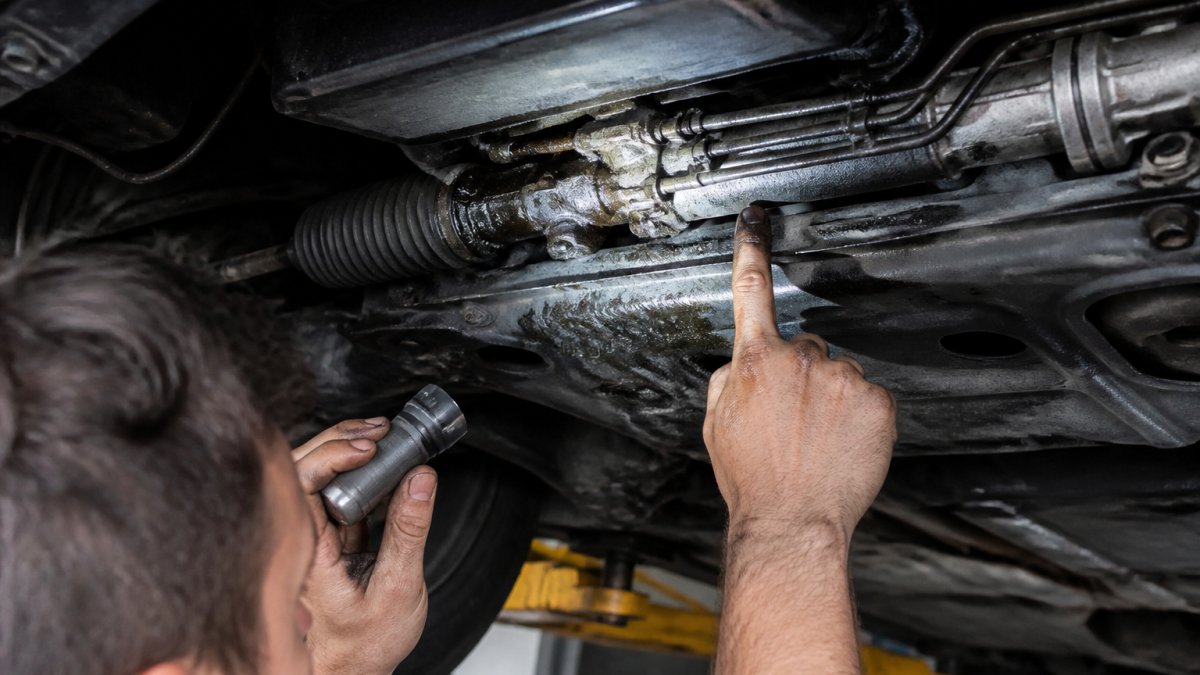
Under-Chassis Inspection Technique
Use jack stands and position your inspection lamp to see steering components clearly.
Examine the power steering pump first. Look for wet spots around the pump's body, shaft seal area, and connection points.
Check the steering rack next. Look for fluid dripping from the rack's center or where the steering rod emerges. Wet rubber boots indicate rack seal failure.
Trace the hoses. Follow the high-pressure line from pump to rack, checking for cracks, wet spots, or corrosion. Fluid at fittings suggests O-ring failure.
Inspect the return line. Look for cracks or drips along the entire length of this lower-pressure hose running from rack to reservoir.
Check for corrosion. Metal pipes showing rust or white deposits are likely leak sources, even small pinholes cause persistent leaks.
Using a Drip Tray for Detection
This method works when you cannot pinpoint the leak source visually.
Park on a level surface. Place a clean drip tray under the steering components and leave overnight or several hours.
Check the tray. Fluid directly under the pump indicates pump failure; under the rack indicates rack seal issues; under hoses suggests connection point leak or hose crack.
Measure the drip rate. If fluid collects noticeably overnight, you have an active leak. A few drops over 12 hours is slow but still needs repair. A significant puddle indicates urgent attention is needed.
Clean the area. Before using the drip tray method again, clean the steering components with degreaser. This removes old fluid residue so new drips stand out clearly.
Symptoms of a Bad Power Steering Pump in Your Audi
A failing power steering pump shows specific warning signs. Recognizing these symptoms helps you address the problem before complete failure strands you.
Whining noise that increases with steering input is the primary symptom. The noise comes from the pump struggling to maintain pressure.
Difficulty steering at low speeds develops as the pump loses effectiveness. Parking becomes noticeably harder.
Foaming or bubbling in the reservoir indicates the pump is drawing air. This happens when fluid level drops below the pickup tube inside the reservoir.
Leaking fluid around the pump is obvious evidence of pump seal failure. The shaft seal or internal seals have degraded.
Steering assist that comes and goes suggests internal pump damage. The pump may work intermittently as worn internal components fail progressively.
Genuine Audi Power Steering Fluid Specifications and Selection
Using the correct power steering fluid is essential for system longevity. Audi specifies particular fluid types for optimal performance and seal compatibility.
Audi specifies G 002 000 fluid for most A5 models. This is a synthetic hydraulic fluid formulated for modern power steering systems.
Check your owner's manual for your specific model year. Some earlier A5 models may use different specifications.
Never mix fluid types. If you need to top off your system, use the same fluid already in it.
Flush the system periodically. Over time, power steering fluid degrades from heat and oxidation. Contaminated fluid damages seals and accelerates wear.
Purchase genuine Audi fluid when possible. Aftermarket fluids may meet general hydraulic specifications but lack Audi's specific formulation.
DIY vs. Professional Repair: What You Need to Know
Some steering repairs you can handle yourself. Others require professional equipment and expertise. Understanding the difference saves you money and frustration.
DIY-friendly repairs:
- Topping off fluid levels
- Replacing O-rings at hose connections
- Changing the power steering fluid (with proper equipment)
- Inspecting hoses for visible damage
- Replacing crimp clamps
Professional-only repairs:
- Power steering pump removal and seal replacement
- Steering rack seal replacement
- High-pressure hose replacement (requires special crimping tools)
- System pressure testing
- Pump internal component replacement
Cost considerations. DIY fluid top-offs cost nothing beyond the fluid itself. O-ring replacement costs minimal. Pump seal replacement at a shop runs several hundred dollars due to labor. Steering rack seal replacement costs similarly.
Time investment. Simple checks and top-offs take 15-30 minutes. Hose disconnection and O-ring replacement takes 1-2 hours. Pump removal requires 3-4 hours of work. Rack seal replacement takes similar time.
Tools needed for DIY work:
- Socket set and wrenches
- Screwdrivers
- Jack and jack stands
- Inspection lamp
- Drain pan for old fluid
- Torque wrench for proper fastener tightness
When to call a professional. If you lack tools or experience, professional repair is worth the cost. If your leak is severe or multiple components are failing, professional diagnosis prevents misdiagnosis and wasted money.
Preventative Maintenance to Avoid Future Leaks
Regular maintenance prevents most power steering leaks before they start.
Check fluid levels monthly. This takes five minutes.
Flush the system every 50,000 miles. Old fluid contains contaminants that damage seals.
Inspect hoses visually every 30,000 miles. Look for cracks, bulges, or wet spots.
Monitor for whining noise. Listen for changes in your steering system's sound. New whining indicates developing problems.
Keep your A5's undercarriage clean. Road salt and moisture accelerate corrosion of metal pipework.
Avoid extreme steering inputs. Holding the steering wheel fully turned for extended periods stresses the pump.
Use genuine Audi fluid exclusively. Stick with factory specifications. Never experiment with alternative fluids or additives.
Address leaks immediately. Small drips become big problems quickly.
Frequently Asked Questions
What does it mean when you have a power steering leak?
A power steering leak indicates that hydraulic fluid is escaping from the closed system that pressurizes your steering. This reduces the system's ability to assist your steering input, making the wheel harder to turn and potentially affecting your steering responsiveness and safety. Leaks can originate from the power steering pump, steering rack, hoses, O-rings, or connection points. The longer a leak goes unaddressed, the greater the risk of complete system failure and loss of power steering assistance.
What type of power steering fluid does an Audi A5 require?
Audi A5 models require genuine Audi power steering fluid that meets Audi's specific viscosity and performance standards. Using the correct genuine Audi power steering fluid specifications ensures compatibility with your hydraulic system, prevents seal degradation, and maintains proper system pressure. Never substitute with generic power steering fluid or fluids designed for other manufacturers, as this can damage seals and accelerate corrosion. Check your owner's manual for the exact fluid specification your model year requires.
Is it safe to drive an Audi A5 with a power steering fluid leak?
Driving with a power steering leak is not safe, especially if the leak is significant. As fluid levels drop, steering becomes progressively stiffer and less responsive, increasing driver fatigue and reducing control in emergency maneuvers. A severe leak can cause complete loss of power steering assistance, leaving you with only manual steering effort. Additionally, continued operation with low fluid allows the pump to run dry, which can cause mechanical failure and create a more expensive repair. If you notice a leak, stop driving and have it inspected immediately.
How can I tell if my Audi A5 power steering rack is failing?
Common signs of steering rack seal issues include a whining noise when turning the wheel, stiff or unresponsive steering, visible fluid leaks beneath the vehicle near the front axle, and reduced steering responsiveness. You may also notice the steering wheel feels loose or requires more effort than normal. To confirm a failing rack, perform an under-chassis inspection and check your fluid level. If the fluid is low and you see residue on the rack or high-pressure hose, a seal has likely failed. Professional diagnostics can confirm the diagnosis before repair.
Power steering fluid leaks in your Audi A5 demand prompt attention. Left unchecked, they damage your pump, rack, and entire steering system. At EUROPEAN OEM PARTS, we stock genuine Audi power steering seals, O-rings, hoses, and fluid to help you complete repairs correctly. Our industry expertise and fast nationwide shipping get you the right parts quickly, so you can restore your A5's steering performance with authentic components that meet factory standards.