

Genuine Audi Parts vs OEM Equivalent: Which Is Right
Table of Contents
- Genuine Audi Parts vs OEM Equivalent: Key Differences
- Benefits of Using OEM Car Parts for Your Audi
- Aftermarket vs OEM Car Parts: Pros and Cons Breakdown
- Quality Control and Manufacturing Standards
- Impact of Aftermarket Parts on Vehicle Resale Value
- Warranty Coverage and Long-Term Cost Analysis
- How to Identify Genuine Audi Parts and Avoid Counterfeits
- Conclusion
Last Updated: August 21, 2026
Genuine Audi Parts vs OEM Equivalent: Key Differences
When choosing between genuine Audi parts and OEM equivalent components, you're making a decision that affects reliability, resale value, and long-term maintenance costs. Genuine Audi parts are manufactured directly by Audi or authorized suppliers under strict factory specifications and carry the Audi nameplate. OEM equivalent parts are produced by third-party suppliers to the same specifications but without the Audi brand name. Both meet factory standards, but they originate from different sources with different warranties and supply chain oversight.
Understanding this distinction prevents costly mistakes, many owners assume "OEM equivalent" means identical performance, but nuances around supply chain oversight, warranty coverage, and long-term reliability differ significantly.
Benefits of Using OEM Car Parts for Your Audi
Genuine Audi parts deliver specific advantages that aftermarket alternatives cannot match. Factory specifications and engineering integration ensure brake systems, electrical components, and engine elements work together as a unified system. Genuine parts are tested within that exact integrated environment; OEM equivalent parts meet specifications but haven't necessarily been validated in the same context.
Warranty coverage strongly favors genuine Audi parts, which typically extend 2-3 years, compared to 1-2 years for OEM equivalent parts. If a component fails prematurely, warranty coverage determines whether you're covered or paying out of pocket.
Long-term reliability signals matter for owners keeping vehicles beyond initial ownership. Genuine parts have documented track records across thousands of vehicles; OEM equivalent parts may lack historical performance data. For older Audis where parts availability becomes challenging, genuine components often remain available through supply chains prioritizing long-term availability.
Resale value preservation is a practical benefit many owners overlook. Used Audi buyers specifically look for service records showing genuine part replacements, signaling factory-standard maintenance. This directly impacts resale value, particularly for models like the A4, A6, and S-line variants.
Aftermarket vs OEM Car Parts: Pros and Cons Breakdown
Genuine Audi parts pros:
- Factory engineering integration ensures perfect fitment and system compatibility
- Comprehensive warranty coverage (typically 2-3 years)
- Documented reliability history across thousands of vehicles
- Resale value protection through documented maintenance records
- Priority availability for current and recent model years
Genuine Audi parts cons:
- Higher upfront cost, often 40-60% more than OEM equivalent options
- Dealership installation typically adds labor costs
OEM equivalent parts pros:
- Lower cost while meeting factory specifications
- Same technical specifications ensure fitment and functionality
- Suitable for non-critical components like wiper blades, filters, and trim
- Third-party suppliers often offer competitive warranties (1-2 years typical)
OEM equivalent parts cons:
- Shorter warranty periods than genuine Audi coverage
- Less documented long-term reliability history
- May not carry the Audi nameplate, affecting resale perception
- Limited integration testing within Audi's complete system environment
Aftermarket parts pros:
- Lowest cost option, often 60-80% cheaper than genuine parts
- Performance upgrades available for enthusiasts
Aftermarket parts cons:
- Highly variable quality depending on manufacturer
- Fitment issues more common, particularly with complex components
- Minimal warranty coverage in many cases
- Resale value impact, buyers perceive aftermarket parts as lower quality
- Installation compatibility issues more likely
| Part Type | Cost Relative to Genuine | Warranty Period | Best For | Fitment Risk |
|---|---|---|---|---|
| Genuine Audi | 100% (baseline) | 2-3 years | Safety-critical, resale-value vehicles | Minimal |
| OEM Equivalent | 40-60% of genuine | 1-2 years | Routine maintenance, non-critical systems | Low |
| Aftermarket | 20-40% of genuine | 6-12 months | Budget repairs, cosmetic work | Moderate to high |
The decision depends on component type and vehicle intent. For brake pads, filters, and wiper blades on a vehicle you plan to keep short-term, OEM equivalent parts make economic sense. For engine components, transmission parts, or safety-critical systems on vehicles you're keeping long-term, genuine Audi parts justify their premium through reliability assurance and resale protection.
Quality Control and Manufacturing Standards
Genuine Audi parts undergo manufacturing processes defined by Audi's engineering team and validated through their quality assurance protocols. OEM equivalent parts meet the same technical specifications but originate from third-party suppliers who may produce components for multiple manufacturers. Audi's quality assurance is optimized specifically for how components integrate within Audi's systems; third-party suppliers optimize for meeting specifications across multiple brands.
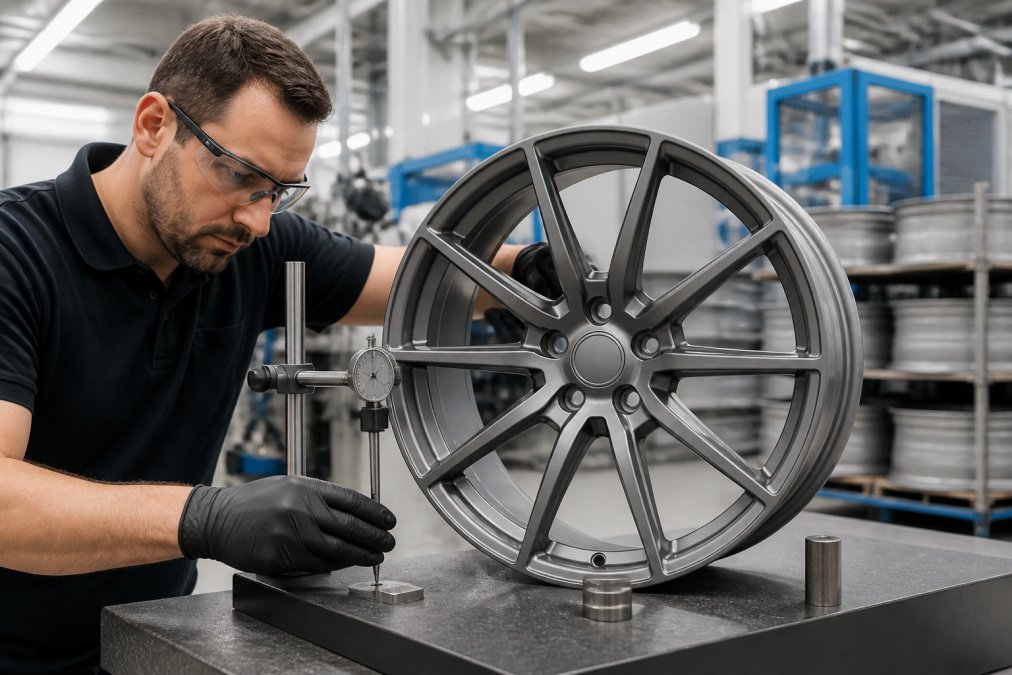
Manufacturing tolerances represent a concrete difference. Genuine parts are manufactured to Audi's specifications under direct oversight; OEM equivalent parts meet those same tolerances through supplier processes that may vary (iso.org).
Material composition also varies. Genuine Audi brake pads use specific friction material compounds engineered for Audi's brake systems; OEM equivalent brake pads meet friction coefficient specifications but may use different formulations (peer-reviewed research).
Supply chain oversight favors genuine parts. Audi audits approved suppliers regularly and can trace quality issues back through their supply chain. For safety-critical systems, brakes, suspension, electrical systems affecting stability control, this quality control difference carries real consequences.
Impact of Aftermarket Parts on Vehicle Resale Value
Vehicle buyers, particularly those shopping for used Audis in the premium segment, specifically evaluate service records to understand maintenance quality. A documented history of genuine part replacements signals factory-standard maintenance and directly affects resale value.
Resale value impact varies by component type and vehicle age. For newer Audis (2020+), the resale market strongly favors documented genuine parts usage. A service record showing genuine Audi brake pads, filters, and engine components can add to resale value compared to identical vehicles with aftermarket repair histories.
For mid-range used Audis (2015-2019), buyers still prefer documented genuine parts but are more price-conscious. A vehicle with mixed maintenance history typically sees minimal resale penalty, but extensive aftermarket component replacement may lose resale value.
The documentation factor matters more than the parts themselves. A buyer reviewing a service history wants evidence that maintenance was performed to known standards. Genuine Audi parts provide that documentation; OEM equivalent parts create ambiguity the buyer cannot easily verify.
Warranty Coverage and Long-Term Cost Analysis
Genuine Audi parts typically come with 2-3 year warranties covering manufacturing defects, backed by Audi's service network (audi.com). OEM equivalent parts generally carry 1-2 year warranties from the third-party supplier. The warranty difference becomes financially significant for high-cost components like transmission parts or engine elements.
Long-term cost analysis requires projecting maintenance expenses across your ownership period. For a vehicle you plan to keep 5-7 years, the warranty difference compounds. If an OEM equivalent filter fails after 20 months, you pay full replacement price. The genuine part's longer warranty makes the premium cost economical across your ownership period.
The breakeven calculation varies by component:
- Simple consumables (wiper blades, air filters): OEM equivalent makes economic sense.
- Engine components (spark plugs, oil filters, gaskets): Genuine parts justify their premium through longer warranty and resale value protection.
- Safety-critical systems (brakes, suspension): Genuine parts provide warranty assurance and resale confidence that typically outweigh upfront savings.
- Cosmetic components (trim, emblems, interior panels): OEM equivalent or aftermarket options are economically sensible.
For owners performing their own maintenance, EUROPEAN OEM PARTS provides genuine Audi components at competitive pricing, including 2017-2025 Audi - Wiper Blade - Audi (4M1-998-002) starting at $81.67 and 2017-2024 Audi - Center Cap - Audi (8W0-601-170) at $77.16, that eliminate dealership markups while preserving warranty coverage and resale value.

How to Identify Genuine Audi Parts and Avoid Counterfeits
Identifying genuine Audi parts requires checking specific markers that counterfeit manufacturers cannot easily replicate. The most reliable method involves verifying the part number against Audi's official documentation and purchasing only from authorized distributors.
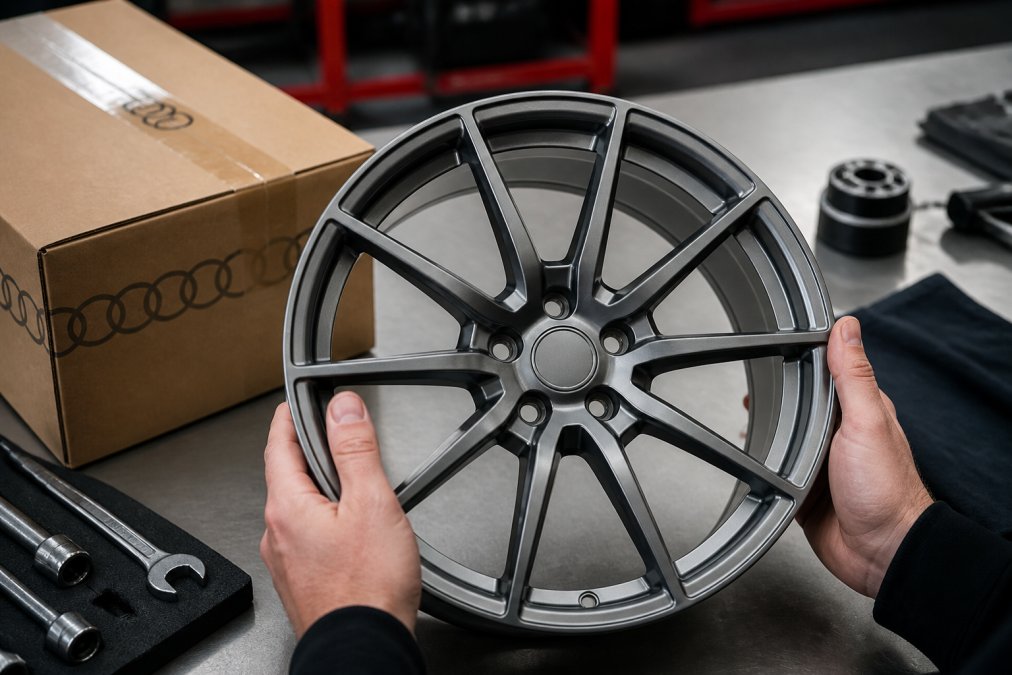
Part number verification is your first defense. Every genuine Audi part carries a unique part number (typically 8-12 characters) stamped or printed on the component and packaging. You can cross-reference this against Audi's official parts catalog or authorized dealers.
Packaging and labeling reveal authenticity. Genuine Audi parts come in packaging with the Audi rings logo clearly displayed, printed part numbers matching the component, and manufacturing date codes.
Manufacturing location matters for certain components. Genuine Audi parts are manufactured in Germany, Hungary, Mexico, or other approved facilities. The packaging typically identifies this location.
Purchasing from authorized sources eliminates most counterfeit risk. EUROPEAN OEM PARTS sources all components directly from Audi's approved suppliers, ensuring authenticity. Avoid purchasing from unknown online sellers, particularly if pricing seems significantly below market rates.
For high-value components like engine parts, transmission elements, or suspension components, request verification from the distributor before purchasing.
Conclusion
The choice between genuine Audi parts and OEM equivalent components depends on your vehicle's age, ownership timeline, and which components need replacement. For safety-critical systems and vehicles you plan to keep long-term, genuine Audi parts deliver warranty assurance, resale value protection, and documented reliability that justify their premium cost. For routine maintenance items and non-critical components, OEM equivalent parts offer cost savings while meeting factory specifications.
EUROPEAN OEM PARTS provides genuine Audi components at competitive pricing that eliminates dealership markups, including Audi forged alloy wheel 19-inch starting at $629, Audi S-line Brushed Aluminum Trim Set at $525, and essential maintenance items like 2017-2025 Audi - Wiper Blade - Audi (4M1-998-002) and 2017-2024 Audi - Center Cap - Audi (8W0-601-170). Get started with genuine Audi parts from EUROPEAN OEM PARTS and maintain your vehicle's performance, reliability, and resale value with authentic manufacturer components.


Frequently Asked Questions
How do I know if a part is genuinely from Audi versus OEM equivalent?
Verify the part number against Audi's official catalog and purchase only from authorized distributors like EUROPEAN OEM PARTS. Genuine parts carry clear Audi rings logos on packaging and components, permanent part number markings, and manufacturing location documentation.
Will OEM equivalent parts void my Audi warranty?
OEM equivalent parts meeting factory specifications do not void your manufacturer warranty. However, if a component failure is traced to the part itself, Audi may deny coverage if they determine the part contributed to the failure. Genuine Audi parts eliminate this risk entirely.
What's the typical price difference between genuine and OEM equivalent parts?
Genuine Audi parts typically cost 40-60% more than OEM equivalent alternatives. For example, genuine brake pads might cost $120 while OEM equivalent options cost $70-80.
Are counterfeit Audi parts common?
Counterfeit parts are most common in high-demand categories like brake components, filters, and engine elements. Purchasing from authorized distributors eliminates this risk.
How long do genuine Audi parts typically last?
Longevity varies by component type. Brake pads typically last 2-3 years, filters 1-2 years, and engine gaskets 5-7 years. Genuine parts are engineered specifically for Audi's systems.
Should I replace all parts with genuine components or mix genuine and OEM equivalent?
Mix based on component criticality. Use genuine Audi parts for safety-critical systems (brakes, suspension, engine) and OEM equivalent for routine maintenance items (filters, wiper blades, trim).
What warranty do EUROPEAN OEM PARTS provide on genuine Audi components?
EUROPEAN OEM PARTS provides the full manufacturer warranty that comes with genuine Audi parts, typically 2-3 years depending on component category. All parts are backed by Audi's warranty coverage.
Can I install genuine Audi parts myself, or do I need a dealer?
Many genuine Audi parts are designed for DIY installation, including wiper blades, filters, trim components, and basic maintenance items. Safety-critical systems like brakes or suspension components should be installed by qualified technicians.
Frequently Asked Questions
Is OEM the same as genuine Audi parts?
Not always. Genuine Audi parts are manufactured by Audi or authorized suppliers and carry the Audi brand. OEM equivalent parts meet factory specifications and fitment standards but may come from third-party suppliers. Both fulfill original equipment manufacturer standards, but genuine parts carry direct Audi warranty coverage. When sourcing from European OEM Parts, you receive authentic components with verified fitment accuracy and full compatibility with your vehicle's systems.
What are the risks of using non-genuine aftermarket parts?
Aftermarket components may lack the manufacturing tolerances and quality assurance of factory-specified parts, potentially causing fitment issues, performance degradation, or premature failure. Safety-critical systems like brakes and suspension are especially vulnerable. Counterfeit parts pose additional risks of mechanical failure and safety hazards. Aftermarket use can void warranty coverage on related systems and negatively impact resale value. Original equipment manufacturer standards exist to ensure reliability, longevity, and vehicle safety.
Does using OEM parts affect my Audi vehicle warranty?
Using genuine OEM parts preserves your vehicle warranty on those components and related systems. Aftermarket parts may void warranty coverage if failure stems from incompatibility or substandard materials. Dealers can refuse warranty claims if non-genuine parts caused the damage. OEM-equivalent parts from authorized suppliers typically maintain warranty protection, but genuine Audi parts provide the strongest warranty assurance. Always verify warranty terms before purchasing replacement components.
Is it worth paying more for genuine Audi parts?
Yes, for most applications. Genuine parts preserve vehicle reliability, maintain warranty coverage, ensure precise fitment, and protect resale value. The upfront cost difference typically recovers through longer component life and avoided repair complications. For safety-critical systems (brakes, suspension, steering), genuine parts are essential. Cosmetic and wear items like wiper blades and trim may offer less dramatic differences. Consider your vehicle's age, mileage, and intended use when evaluating cost-benefit. European OEM Parts offers competitive pricing on genuine components without dealership markups.
How can I tell if an Audi part is truly genuine?
Verify the part number against official Audi documentation and check for factory-stamped markings, proper packaging with Audi branding, and holographic security features on some components. Purchase only from authorized suppliers like European OEM Parts to ensure authenticity. Counterfeit prevention includes examining material composition, manufacturing tolerances, and hardware integrity. Ask suppliers for part origin verification. Genuine Audi parts display consistent finish quality and precise fitment. If sourcing online, confirm the seller specializes in authentic OEM components and offers return guarantees.
This article was written using GrandRanker