

Best Genuine VW Brake Pad Brands for 2026
Table of Contents
- Why Genuine VW Brake Pads Matter for Your Car
- OEM vs Aftermarket Brake Pads for VW: What's the Difference?
- Top 5 Genuine VW Brake Pad Brands to Trust
- When to Replace VW Brake Pads: Key Warning Signs
- How to Identify Genuine VW Parts Before You Buy
- Choosing the Right Pad for Your Driving Style
- Final Thoughts: Where to Find Authentic VW Brake Pads
- Frequently Asked Questions
Last Updated: September 4, 2026
Why Genuine VW Brake Pads Matter for Your Car
Your Volkswagen's braking system is engineered as a complete unit, and the friction material is its most critical variable. Genuine VW brake pad brands are the only pads validated against the exact rotor metallurgy, caliper piston pressures, and electronic stability programs fitted to your car. This guide from EUROPEAN OEM PARTS explains how to identify and source authentic components that preserve both stopping performance and resale value.
Brake pads determine more than how quickly you stop. They influence pedal feel, rotor wear, noise levels, and how much brake dust accumulates on your wheels. When an engineer specifies a pad compound for a Golf R versus a base Jetta, they are balancing friction coefficient against dust output and rotor life.
The cost difference between genuine and budget pads often narrows when you factor in premature rotor wear. Many owners find that hard compound aftermarket pads save money upfront but require rotor replacement sooner, erasing any savings.
OEM vs Aftermarket Brake Pads for VW: What's the Difference?
OEM brake pads are components produced to the original equipment manufacturer's exact specifications, often on the same production lines as the parts fitted at the factory. Aftermarket brake pads are manufactured by third-party companies and may or may not match those tolerances.
The distinction matters for several reasons. Original equipment manufacturer pads come with the vehicle's designed friction curve, meaning consistent bite across temperature ranges. Aftermarket pads vary widely: some exceed OEM performance for track use, while others cut corners on material quality to hit a lower price point.
A common mistake is assuming "OEM equivalent" means identical. Aftermarket pads may use different shims, chamfer angles, or wear sensor configurations. These differences can produce squealing, vibration, or dashboard warnings that the brake pad wear sensor has tripped.
For daily commuting and normal street driving, genuine VW brake pad brands deliver the balanced performance the vehicle was designed around. Aftermarket semi-metallic or ceramic options make sense only when you have a specific need, such as track days or reduced dust output, that the factory compound does not address.
Top 5 Genuine VW Brake Pad Brands to Trust
Several manufacturers supply Volkswagen's factories, and each offers distinct characteristics. The following vw brake pad brands represent the most trusted names in genuine and OEM-grade components.
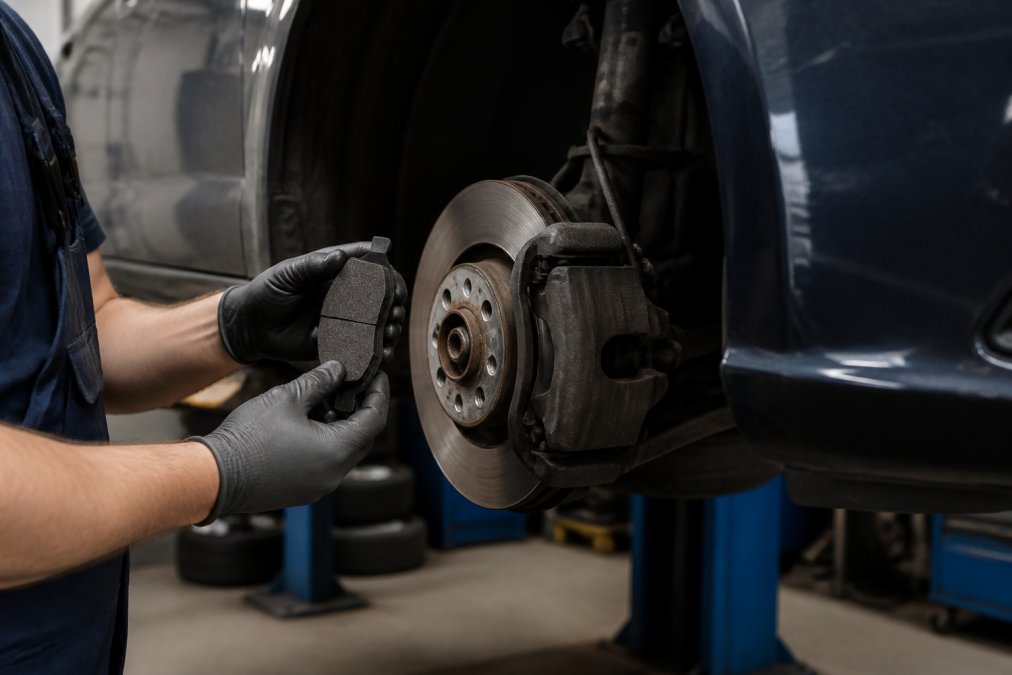
1. Volkswagen Genuine Parts
Volkswagen Genuine Parts are the exact components fitted at the factory in Wolfsburg and other assembly plants. These pads come in Volkswagen-branded packaging with the correct part number stamped on the backing plate.
The primary advantage is guaranteed compatibility. Every chamfer, shim, and wear sensor is configured for your specific model and trim level. VW engineers have already validated thermal stability and noise reduction across the vehicle's intended operating range.
The drawback is price. Dealership parts counters typically charge a premium, which is why many owners source the same genuine components through independent suppliers.
2. TRW Automotive
TRW is a longtime Volkswagen supplier and one of the original equipment manufacturers behind genuine VW brake pad brands. Their aftermarket line replicates factory specifications, including the friction coefficient and backing plate tolerances.
TRW pads are known for consistent pedal feel and moderate brake dust output. They are an excellent choice for owners who want OEM-grade performance without paying the dealership markup, particularly for older models where genuine part numbers have been superseded.
3. Brembo
Brembo is famous for high-performance braking systems on supercars, but they also supply Volkswagen with original equipment components (brembo.com). Their pads offer strong initial bite and excellent heat dissipation, making them a favorite among GTI and R owners.
For daily commuting, Brembo pads provide confident stopping power with acceptable dust levels. Performance driving enthusiasts appreciate their resistance to brake fade during aggressive use.
4. ATE (Continental)
ATE, a Continental brand, is another original equipment supplier to Volkswagen. Their pads are engineered for low noise and reduced rotor wear, making them ideal for owners who prioritize refinement.
ATE pads typically produce moderate dust and deliver a linear, predictable pedal feel. They are a strong choice for luxury trims where driving comfort matters more than ultimate bite.
5. Jurid
Jurid pads are the OE choice for many European vehicles, including select Volkswagen models. They offer a balanced friction profile suited to everyday driving conditions.
Jurid's strength is durability and consistent performance across temperature ranges. They may not offer the initial bite of Brembo, but they provide dependable, fade-resistant braking for highway and city driving.
| Brand | Best For | Key Characteristics | Dust Level |
|---|---|---|---|
| Volkswagen Genuine | Factory-exact replacement | Guaranteed fit, validated performance | Moderate |
| TRW | OEM-grade without markup | Consistent feel, factory tolerances | Moderate |
| Brembo | Performance driving | Strong bite, heat dissipation | Higher |
| ATE | Refined daily driving | Low noise, reduced rotor wear | Moderate |
| Jurid | Dependable commuting | Balanced friction, durability | Moderate |
When to Replace VW Brake Pads: Key Warning Signs
The most reliable indicator is the wear sensor. Volkswagen equips most models with electronic sensors that trigger a dashboard warning when the friction material reaches minimum thickness.
Beyond the warning light, listen for a high-pitched squealing sound during braking. This is the mechanical wear indicator contacting the rotor, signaling that replacement is overdue. Vibration or pulsation through the pedal often indicates uneven pad wear or rotor thickness variation.
Inspect pads visually when wheels are removed for tire rotation. Friction material should be at least 3 mm thick (nhtsa.gov). Below that, replacement is necessary to prevent metal-to-metal contact that damages rotors and calipers.
Brake fluid condition also matters. Old fluid absorbs moisture, reducing boiling point and increasing stopping distances. Volkswagen recommends flushing brake fluid every two years regardless of mileage (volkswagen.com).
How to Identify Genuine VW Parts Before You Buy
Counterfeit and mislabeled parts are a real concern in the automotive aftermarket. Authentic VW brake pad brands share several identifying markers you can verify before purchase.
First, examine the packaging. Genuine Volkswagen parts come in sealed packaging with model-specific part numbers and barcode labels. The printing should be sharp, not blurry or misaligned.
Second, inspect the backing plate. Genuine pads have a smooth, uniform finish with stamped logos or part numbers. Aftermarket counterfeits often show rough edges or inconsistent paint application.
Third, verify the shim and hardware kit. Genuine pads include the correct anti-noise shims and clips designed for your caliper. Missing or generic hardware is a red flag.
When ordering online, purchase from reputable suppliers who specialize in European OEM components. EUROPEAN OEM PARTS provides genuine Audi, Porsche, and Volkswagen parts with fast nationwide shipping and expert support to help you verify fitment before you order.
Choosing the Right Pad for Your Driving Style
Your driving habits should dictate your pad selection more than brand loyalty. The five vw brake pad brands above serve different priorities.
For daily commuting in traffic, prioritize low noise and moderate dust. ATE or Jurid pads deliver refined performance that matches the vehicle's factory character. The tradeoff is less aggressive bite during hard braking.
For spirited driving on back roads or occasional track days, Brembo pads offer the heat dissipation and fade resistance you need. Expect increased brake dust and slightly more noise during cold stops.
For mixed use, Volkswagen Genuine or TRW pads provide the best balance. They handle daily duties competently while still performing well under harder use.
Final Thoughts: Where to Find Authentic VW Brake Pads
Sourcing genuine components requires diligence, but the payoff is predictable braking performance and protection for your rotors. Dealerships offer authenticity at a premium, while independent suppliers can match factory quality at better prices.
Before purchasing, confirm the exact part number for your VIN. Volkswagen changed pad specifications across model years and trim levels, and the wrong pad may not engage the wear sensor correctly.
EUROPEAN OEM PARTS stocks genuine brake pads, filters, and engine components for Audi, Porsche, and Volkswagen vehicles. Our team helps identify the correct part for your specific model, and our exclusive pricing makes authentic components accessible without dealership markups.
Frequently Asked Questions
Who actually manufactures Volkswagen OEM brake pads?
Volkswagen does not manufacture its own brake pads. Instead, they source them from top-tier suppliers like TRW, Brembo, ATE (Continental), and Jurid. These companies produce pads that meet VW's exact specifications for fit, performance, and safety. When you buy pads from these brands with the correct VW part number, you are getting the exact same quality as the pads that came on your car from the factory.
Is PowerStop better than OEM brake pads?
PowerStop pads are a popular aftermarket choice, but they are not inherently better than OEM pads. OEM pads are engineered specifically for your VW model, ensuring consistent pedal feel, low noise, and balanced rotor wear. PowerStop kits often focus on performance and reducing brake dust, which can be a plus. For daily commuting and street use, genuine OEM pads from brands like TRW or ATE are a reliable choice. Aftermarket options are best for specific needs like track use.
How do I verify that VW brake pads are genuine and not counterfeit?
Check the packaging for the official VW Genuine Parts logo and a scannable barcode or hologram sticker. Look for the VW part number, which typically starts with a '5Q0', '1K0', or '8V0' prefix, and compare it to your vehicle's specifications. Inspect the pad itself for consistent paint or coating and clean, precise edges. Buying from a trusted source like EUROPEAN OEM PARTS or your local dealership helps ensure you receive genuine parts.
Are ceramic or semi-metallic brake pads better for my VW?
For most daily-driven Volkswagens, genuine ceramic pads are often a good choice. They produce significantly less brake dust, which keeps your wheels cleaner, and they operate more quietly than semi-metallic pads. Semi-metallic pads offer a higher friction coefficient and better heat dissipation, making them suitable for performance driving or heavy towing, but they tend to be noisier and generate more dust. Your driving habits should guide the choice between these two materials.
Finding the right vw brake pad brands requires balancing authenticity, performance, and cost. EUROPEAN OEM PARTS delivers genuine European components with expert guidance and fast nationwide shipping, so you can maintain factory standards without the dealership hassle. Get started with EUROPEAN OEM PARTS and order the correct pads for your VW today.
This article was written using GrandRanker