

Genuine European Car Parts Shipping Times: A 2026 Guide
Table of Contents
- How Genuine European Car Parts Shipping Times Break Down
- How to Use VIN to Order the Correct Car Parts
- Average Delivery Time for OEM Car Parts Explained
- Customs Clearance and Import Duties: What Slows Shipments Down
- Common Delays in Auto Parts Logistics and How to Avoid Them
- Tracking Your Order: From Warehouse to Your Door
- Genuine vs. Aftermarket: Why Authenticity Matters for Delivery
- Frequently Asked Questions
Last Updated: August 31, 2026
How Genuine European Car Parts Shipping Times Break Down
When you order a genuine part for your Audi, Porsche, or Volkswagen, you're not just waiting for a box to arrive. The timeline from warehouse to your door involves multiple stages: order fulfillment, customs clearance, carrier transit, and final delivery. Understanding how genuine European car parts shipping times actually work helps you plan maintenance around your vehicle's downtime.
The shipping process splits into two main phases. First comes order processing and warehouse dispatch, which typically takes 1-3 business days for in-stock items. Second comes the transit itself, which varies dramatically based on your location, the carrier selected, and whether the shipment crosses international borders. For domestic orders within the continental United States, standard ground delivery usually takes 5-7 business days after dispatch (the FTC). International shipments from European warehouses add 10-21 days depending on customs processing (cbp.gov).
At EUROPEAN OEM PARTS, we maintain inventory across multiple warehouses to minimize processing delays. When you place an order for a part like the 2017-2024 Audi Center Cap (8W0-601-170) priced at $77.16, we prioritize same-day dispatch for in-stock items ordered before 2 PM EST. This means your lead time clock starts ticking from the moment we hand off your package to the carrier, not from when you click "purchase."

The reality most buyers don't anticipate: shipping time and delivery time are different things. A package can be in transit for three days but spend another two days in regional sorting facilities before reaching your door. Tracking numbers show movement, but they don't always reflect when you'll actually have the part in hand.
How to Use VIN to Order the Correct Car Parts
Your Vehicle Identification Number is the single most reliable way to guarantee fitment before you buy. A VIN contains 17 characters that encode your vehicle's year, make, model, engine type, transmission, and specific factory options. When you provide your VIN during checkout, we cross-reference it against our parts database to confirm compatibility.
The VIN appears in three standard locations on your vehicle. The most accessible is the lower left corner of your windshield, visible from outside without opening the door. You'll also find it on the driver's side door jamb, printed on a sticker that includes tire pressure and weight specifications. The registration and insurance documents also list your full VIN.
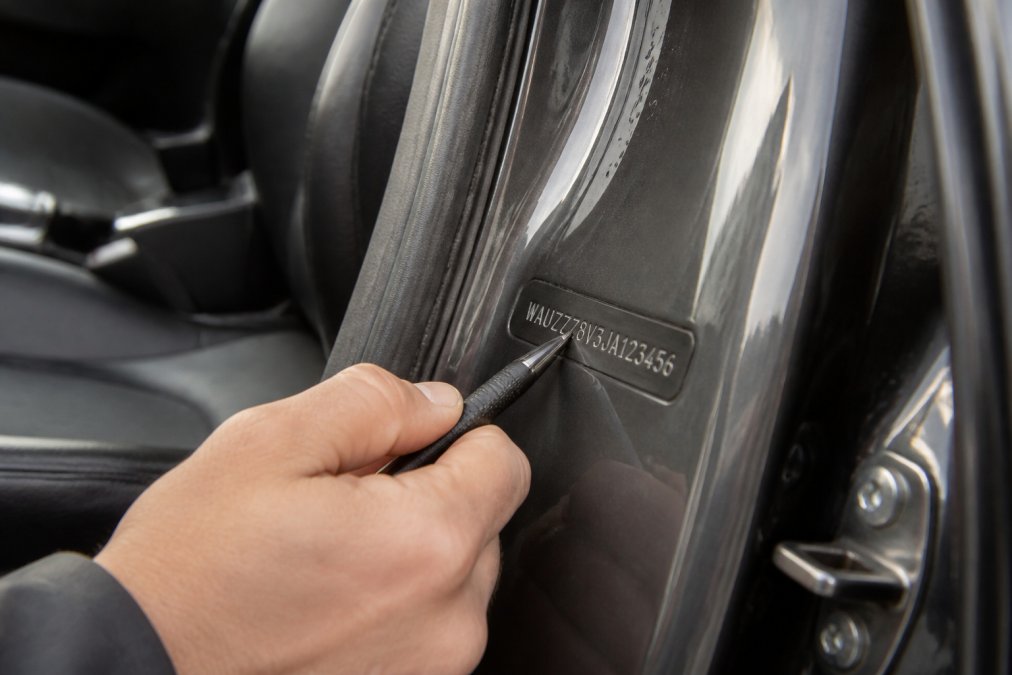
When ordering parts online, entering your VIN during checkout eliminates guesswork. Rather than trying to match part numbers or descriptions, you simply provide your 17-character code and the system confirms what fits. This approach prevents the frustration of receiving a part that doesn't mount correctly or requires modification.
Common mistakes happen when buyers assume all parts fit all years of the same model. A 2015 Audi A4 and a 2018 A4 may look identical to the untrained eye, but they often require different components. Engine updates, suspension redesigns, and electrical system changes between model years mean part compatibility isn't automatic. Using your VIN removes this uncertainty entirely.
For older or hard-to-find components, having your VIN ready when you contact our team helps us source the exact part your vehicle needs. Whether you're restoring a 2008 Porsche 911 or maintaining a current-generation Audi, the VIN is your most valuable piece of information.
Average Delivery Time for OEM Car Parts Explained
Standard ground shipping for genuine European car parts typically arrives within 5-7 business days for domestic orders. This timeline assumes the part is in stock when you order and you select ground delivery at checkout. Expedited options compress this window significantly but add shipping surcharges.
The variation in delivery windows depends on several factors. Parts sourced from domestic warehouses arrive faster than those shipped from European suppliers. A brake pad set ordered from U.S. inventory ships within 24 hours; the same part sourced directly from Germany may require 10-14 days before it reaches you. Order fulfillment time, the period between purchase and when the carrier picks up your package, typically ranges from same-day to 48 hours for in-stock items.
Seasonal demand affects average delivery times more than most buyers realize. During spring and fall, when owners perform routine maintenance, order volume spikes and warehouse processing slows slightly. Winter months see lighter demand, which can actually speed up fulfillment. If you're planning major maintenance, ordering during off-peak periods sometimes means faster processing even without paying for expedited shipping.
Regional delivery windows also vary. Shipments to the West Coast typically take 7-10 business days via ground carrier, while East Coast orders often arrive in 5-7 days. Midwest locations fall somewhere in between. These estimates assume no customs delays for international orders and no carrier disruptions.
Customs Clearance and Import Duties: What Slows Shipments Down
When genuine European car parts cross the U.S. border, they enter a customs clearance process that can add 2-5 business days to your total shipping time (cbp.gov). This step happens regardless of whether you ordered from a European warehouse or a domestic distributor importing inventory. Understanding how customs works prevents you from assuming your package is lost when it's actually in regulatory limbo.
U.S. Customs and Border Protection requires documentation for all imported goods. Parts shipments must include commercial invoices, packing lists, and country-of-origin declarations. Customs officials inspect a percentage of incoming shipments to verify that declared values match actual invoice prices and that parts are genuine rather than counterfeit. This inspection can delay clearance by 24-72 hours.
Import duties apply to parts sourced directly from Europe. The duty rate depends on the Harmonized Tariff Schedule classification for your specific part. Brake components, filters, and engine parts typically fall into tariff categories with duty rates between 2.5% and 6.5% of the declared value. These duties are calculated at the border and either prepaid by the importer or collected from you upon delivery, depending on the shipping terms.
Brokerage fees represent another hidden cost in international shipments. Customs brokers, licensed intermediaries who handle paperwork and clearance, charge flat fees ($15-$50 per shipment) or percentage-based fees (typically 1-2% of declared value). These fees appear on your final invoice and can surprise buyers who didn't anticipate them.
Documentation errors cause the majority of customs delays. Mismatched invoice values, incorrect part classifications, or missing country-of-origin markings trigger manual review, which extends clearance time. When you order from EUROPEAN OEM PARTS, we handle documentation on our end, but accurate order information from you prevents delays.
Common Delays in Auto Parts Logistics and How to Avoid Them
Backordered items represent the single biggest cause of shipping delays. A part may appear "in stock" on the website, but inventory levels fluctuate rapidly. If a part goes out of stock between when you place your order and when warehouse staff pick it for shipment, you face a delay while we source replacement inventory or contact you about alternatives.
Check inventory status before ordering whenever possible. Most online retailers display stock levels in real time. If a part shows "limited quantity" or "ships in 3-5 days," that's a signal that fulfillment won't be immediate. For critical repairs where your vehicle is down, confirming stock status with our team before checkout prevents disappointment.
Carrier disruptions cause delays outside anyone's control. Weather events, mechanical breakdowns, labor shortages, and route congestion all impact shipping schedules. A package may sit in a regional distribution center for 24-48 hours longer than normal due to volume surges or carrier staffing issues. Tracking updates reveal these delays, but there's no way to prevent them once your package is in transit.
Address errors on your order create unnecessary delays and potential returns. Incomplete addresses, typos in street names, or missing apartment numbers force carriers to hold packages for clarification. Verify your shipping address before completing checkout, and use the address validation tools most retailers provide.
Incorrect part selection before ordering leads to returns and reshipping delays. This is why using your VIN during checkout matters so much. A customer who orders the wrong brake pad set must initiate a return, wait for warehouse receipt, and then reorder the correct part, adding 7-14 days to their timeline. Correct selection upfront eliminates this entirely.
International customs holds extend delivery windows unpredictably. A shipment might clear customs in 48 hours or sit for a week depending on inspection queues and documentation completeness. There's no way to expedite customs clearance once a package is in the system, so building in buffer time for international orders is wise.
Tracking Your Order: From Warehouse to Your Door
Once your order ships, you receive a tracking number via email that provides real-time visibility into your package's location and estimated delivery date. Most carriers update tracking information multiple times per day as your shipment moves through sorting facilities and delivery routes.

Tracking status codes follow a standard pattern. "Order processed" means we've prepared your shipment. "Picked up" indicates the carrier has collected your package from our warehouse. "In transit" shows your package is moving through the carrier's network. "Out for delivery" means your package is on the delivery truck and should arrive that day. "Delivered" confirms arrival, though the timestamp may lag behind actual delivery by a few hours.
Understanding tracking delays prevents unnecessary concern. A package might show "in transit" for 2-3 days while moving between regional sorting centers. This is normal. Lack of tracking updates for more than 24 hours warrants a call to the carrier, as it may indicate a scanning error or delivery delay.
Delivery windows provided by carriers are estimates, not guarantees. A package scheduled for delivery on Thursday might arrive Wednesday or Friday depending on driver route efficiency and volume. Tracking typically narrows the window to a specific day within 24 hours of expected delivery.
Signature requirements vary by part value and carrier policies. High-value shipments sometimes require a signature at delivery to confirm receipt. This protects both you and the shipper but requires someone to be available when the driver arrives. If you're unavailable, the driver leaves a notice and attempts redelivery the next business day.
Genuine vs. Aftermarket: Why Authenticity Matters for Delivery
The difference between genuine OEM parts and aftermarket components extends beyond just quality, it affects shipping timelines and supply chain reliability. Genuine parts come from official manufacturer inventories with established logistics networks. Aftermarket parts source from various suppliers with less predictable availability.
Genuine European car parts from manufacturers like Audi, Porsche, and Volkswagen follow strict supply chain protocols. These parts ship from authorized distribution centers with consistent inventory levels and reliable transit schedules. When you order a genuine component, you're tapping into a supply network that's been optimized over decades.
Aftermarket parts often involve longer lead times because they source from independent manufacturers with smaller inventories. A brake pad set from an aftermarket supplier might take 10-14 days to arrive because that supplier manufactures to order rather than maintaining stock. Genuine parts typically ship within days because OEM distributors maintain higher inventory buffers.
Counterfeit parts pose additional shipping risks. Fake components sometimes originate from regions with unpredictable customs clearance, leading to extended delays or confiscation. Genuine parts from authorized sources avoid this entirely. When you purchase from EUROPEAN OEM PARTS, every component carries authenticity guarantees and traces directly to the manufacturer.
Warranty coverage also ties to authenticity. Genuine parts include manufacturer warranties that cover defects and failures. If an aftermarket part fails shortly after arrival, you may have limited recourse. Genuine components backed by the manufacturer provide peace of mind that extends beyond just the initial purchase and delivery.
Resale value of your vehicle benefits from documented use of genuine parts. When you maintain your Audi, Porsche, or Volkswagen with authentic components, you preserve the vehicle's value for future sale or trade-in. Buyers and appraisers recognize the difference between vehicles serviced with OEM parts versus those maintained with cheaper aftermarket alternatives.
Keeping your European vehicle running at peak performance requires access to genuine parts and reliable shipping. When your Audi, Porsche, or Volkswagen needs maintenance, you deserve components that meet factory specifications without guesswork about fitment or quality. EUROPEAN OEM PARTS stocks authentic OEM components across brake systems, filters, engine parts, and accessories, with fast nationwide shipping and transparent delivery timelines. Order with your VIN for guaranteed compatibility, track your shipment in real time, and get back on the road confident your vehicle received the genuine parts it deserves.
Frequently Asked Questions
How long do genuine European car parts take to ship to the United States?
Standard ground delivery for genuine European car parts typically ranges from 7-14 business days after order fulfillment and customs clearance. Same-day dispatch is available for in-stock components, but international freight and brokerage processing add 3-7 days to the transit duration. Expedited shipping options can reduce this window, though customs clearance remains a fixed requirement that cannot be bypassed.
What is the average delivery time for OEM car parts, and what factors affect it?
Average delivery time for OEM car parts is 10-21 days from order placement, depending on warehouse inventory, shipping carrier selection, and customs procedures. Lead time increases if parts are backordered or sourced from multiple warehouses. International freight routing, seasonal shipping delays during peak periods, and the complexity of shipping documentation all influence the final delivery estimate. Using your VIN when ordering ensures faster fulfillment by reducing fitment confirmation delays.
How does customs clearance affect my genuine European car parts delivery?
Customs clearance adds 2-5 business days to your delivery window and determines whether brokerage fees apply. The U.S. Customs and Border Protection agency requires documentation of part authenticity and value declaration. Most genuine OEM components fall below the duty-free threshold for personal vehicle maintenance, but import duties may apply depending on part type and origin. Proper shipping documentation and part compatibility verification accelerate clearance significantly.
What common delays in auto parts logistics should I expect, and how can I avoid them?
Common delays include backordered inventory, carrier-specific transit disruptions, incomplete shipping documentation, and seasonal supply chain slowdowns. Avoid delays by verifying part compatibility using your VIN before checkout, ordering during off-peak seasons (January-March, September-October), and selecting carriers with proven reliability records. Tracking your shipment from dispatch allows you to identify customs delays early and address documentation issues before they extend delivery windows.
This article was written using GrandRanker