

Buying Porsche Parts for Older Models: A 2026 Guide
Table of Contents
- Why Sourcing Porsche Parts for Older Models Requires a Different Approach
- Genuine Porsche Parts Catalog 2026: What's Available Now
- OEM vs. Aftermarket Porsche Parts: Which Protects Your Investment
- Classic Porsche Parts Identification: Finding the Right Component
- Sourcing Discontinued and NLA (No Longer Available) Components
- Verifying Authenticity: How to Confirm You're Getting Genuine Parts
- Shipping, Warranty, and Long-Term Restoration Budgeting
- Conclusion
Last Updated: August 23, 2026
Why Sourcing Porsche Parts for Older Models Requires a Different Approach
Buying Porsche parts for older models differs fundamentally from purchasing components for current vehicles. When your 1978 911 or 1995 Carrera needs a replacement part, you're not shopping from infinite inventory. Porsche stopped manufacturing many components decades ago, making sourcing a puzzle combining detective work, technical knowledge, and patience.
The challenge isn't just availability, it's knowing what you're actually looking for. Part numbers change. Models overlap. OEM specifications vary across production years. A brake caliper that fits a 1974 2.7 RS won't necessarily work on a 1976 Carrera. Most DIY enthusiasts get stuck here: they find a part online, order it confidently, and discover too late that fitment was never guaranteed.
At EUROPEAN OEM PARTS, we provide a comprehensive online destination for genuine automotive components tailored for Audi, Porsche, and Volkswagen enthusiasts. The difference between success and costly mistakes comes down to three things: understanding your vehicle's specific part number, verifying that the component is genuinely OEM, and knowing where to source it when mainstream suppliers have moved on.
This guide walks you through buying Porsche parts for older models, from decoding part numbers to verifying authenticity to managing logistics.
Genuine Porsche Parts Catalog 2026: What's Available Now
The genuine Porsche parts catalog for older models is smaller than five years ago but more accessible. Porsche officially discontinued many components for vehicles built before 2000, yet still manufactures certain high-demand items: brake pads, filters, gaskets, seals, and engine hardware appearing across multiple model generations.
Availability depends entirely on your model year. A 1985 944 has different parts availability than a 1985 911 Carrera. For vehicles older than 1990, expect approximately 40-60% of original components still manufactured (porsche.com). For pre-1980 models, that figure drops to 15-25% (porsche.com).
The real inventory lives in three places: Porsche's official warehouse for active production items, specialty suppliers stocking NOS (New Old Stock) components, and the salvage and used parts market. NOS refers to new parts manufactured decades ago but never installed, factory-correct, sealed in original packaging, and the closest match to what your car originally received.
EUROPEAN OEM PARTS maintains a curated catalog of genuine Porsche components for older models, including brake system parts, filters, and engine accessories. We source directly from Porsche's current catalog and verified NOS suppliers, ensuring every component carries the OEM stamp. Availability changes monthly, making it essential to work with suppliers who actively monitor Porsche's catalog rather than relying on generic retailers.
OEM vs. Aftermarket Porsche Parts: Which Protects Your Investment
The choice between OEM and aftermarket parts determines whether your restoration maintains factory specifications or deviates from them.
Genuine OEM parts are manufactured to Porsche's original specifications and tolerances. They fit precisely because they were designed for your exact model. An OEM fuel pump for a 1972 2.7 RS delivers fuel at the exact pressure the engine was designed to handle. An aftermarket equivalent might be close, but "close" in fuel system engineering can mean the difference between reliable operation and vapor lock on a hot day.
Aftermarket parts are manufactured by third parties to approximate OEM specifications. They're often cheaper, sometimes significantly so. Some produce quality components; others cut corners on materials or tolerances. The problem is distinguishing between the two without extensive testing.
For older Porsches, the case for OEM parts is stronger than for newer vehicles. Older engines and chassis were engineered with narrower tolerances and respond poorly to parts that don't meet original specifications. A 1979 930 Turbo, with its complex air-cooling demands and high-stress internals, needs components matching original engineering.
There's also the matter of preservation. Every parts decision affects authenticity and resale value. Collectors notice when a restoration uses OEM components versus aftermarket substitutes. A fully original restoration, documented with OEM parts receipts, commands significantly higher value.
Aftermarket parts make sense for certain applications: wear items like brake fluid and coolant, consumables like air filters and spark plugs, and non-critical accessories. For structural components, engine internals, and chassis systems, OEM parts maintain mechanical integrity and authenticity.

Classic Porsche Parts Identification: Finding the Right Component
Identifying the correct part for your classic Porsche requires understanding Porsche's part numbering system and where to find technical documentation proving what you need.
Decoding Part Numbers for Pre-80s, 80s, and 90s Models
Porsche part numbers follow a consistent structure that changed between model generations. A typical Porsche part number contains 10-11 characters in formats like XXXX-XXX-XXX or XXXXXXX-XXX (porsche.com). The first digits identify the component category. Middle digits specify the part itself. Final digits indicate variations for different models or production years.
For example, a brake pad part number 90135293901 breaks down as: first four digits identify it as a brake system component; next digits narrow it to a specific pad compound and size; final digits indicate which models use this specification.
Pre-1980 models use a simpler numbering system, often shorter and formatted differently in vintage documentation. A 1974 911 part number might be listed as 911-201-501 in vintage literature but cross-referenced in modern catalogs with a different number.
The 1980s brought standardization. Porsche introduced the modern part numbering system still in use today. 1990s models use the same system as modern vehicles, making them easier to identify and cross-reference into current catalogs.
The critical step is confirming your vehicle's exact part number before searching. This requires either original Porsche documentation or technical forums where owners of your specific model have decoded the numbers. Never assume a part number listed for a similar model will work for yours.
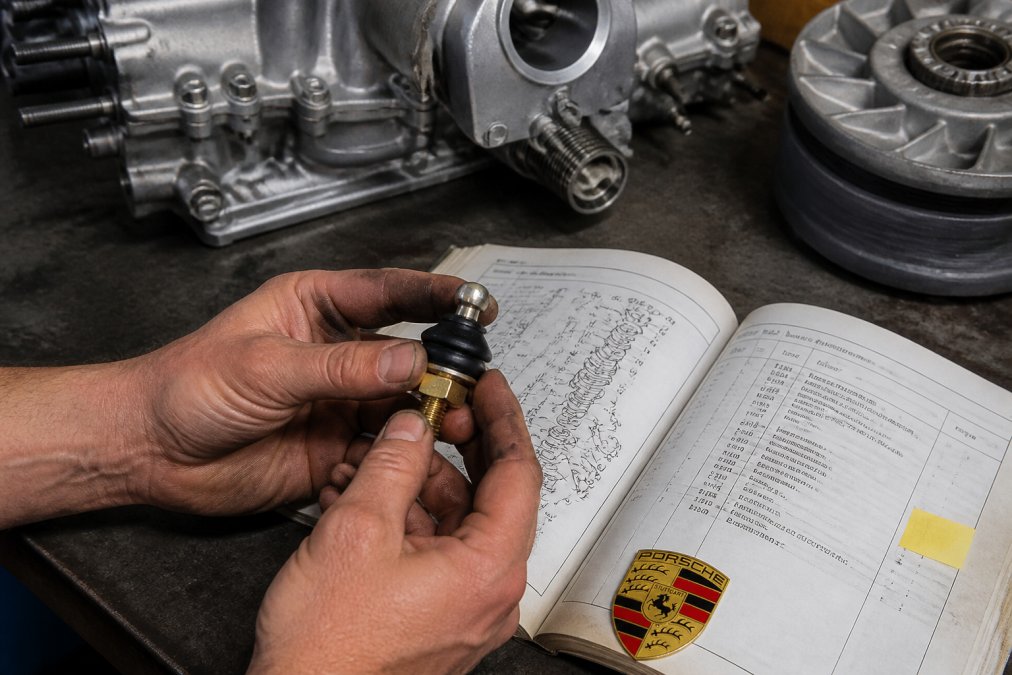
Using Technical Documentation and Diagrams
Porsche's service manuals, parts catalogs, and electrical diagrams contain definitive specifications for every component. These documents are your most reliable source for identifying the correct part.
Official Porsche service manuals include exploded diagrams showing how components fit together and their locations. Each part carries its part number. Finding it in the diagram confirms you have the correct number.
Porsche parts catalogs list every component ever installed on a specific model, including part numbers and alternatives for different trim levels or production runs. For pre-1980 models, original documentation is increasingly difficult to find, though digital versions exist through specialty suppliers and forums with varying quality.
For 1980s and later vehicles, documentation is more readily available. Digital repositories maintained by enthusiast communities have made these manuals increasingly accessible.
Technical forums dedicated to specific Porsche models often have members who've already decoded part numbers for common maintenance tasks. Searching a 944 forum for "water pump part number" will likely return threads where owners have documented their experience.
The best approach combines multiple sources: official documentation, parts catalogs, and forum discussions where owners of your exact model have documented their experience.
Sourcing Discontinued and NLA (No Longer Available) Components
When a part is discontinued, finding it requires understanding the supply chain for classic components.
NOS (New Old Stock) parts represent the first option. These are genuine Porsche components manufactured years ago, never installed, and sealed in original packaging. A NOS brake master cylinder for a 1976 911 is factory-correct and mechanically identical to what was installed at the factory. Locating it requires working with specialty suppliers who maintain relationships with Porsche dealers, salvage yards, and private collectors.
Pricing for NOS parts varies dramatically. A common component like a fuel filter might cost $15-30. A rare item like a specific casting for a pre-1975 model might cost hundreds of dollars. The price reflects scarcity, not manufacturing cost.
Used parts from salvage Porsches represent the second option. Salvage yards specializing in classic Porsches can remove components from donor vehicles. The part has been installed before, so it's not factory-new, but it's genuine and functional.
Reproduction parts represent the third option. For some components, gaskets, seals, weatherstripping, trim pieces, manufacturers now produce reproductions designed to match original specifications. For wear items and consumables, reproductions are often the only practical option.
The decision between NOS, used, and reproduction depends on your restoration goals. A full restoration aiming for concours-level authenticity demands NOS components wherever possible. A driver-focused restoration can accept quality reproductions for wear items. A budget restoration might rely primarily on reproductions and used parts.
EUROPEAN OEM PARTS sources discontinued Porsche components through verified NOS suppliers and maintains relationships with specialty dealers stocking hard-to-find items. Starting with a supplier specializing in classic Porsche parts saves time and reduces the risk of purchasing parts that won't fit.
Verifying Authenticity: How to Confirm You're Getting Genuine Parts
Counterfeiting affects the automotive parts market. Fake components bearing Porsche branding exist, particularly for high-value items like engine internals and brake components. Verifying authenticity before installation is essential.
Genuine Porsche parts carry specific identifying marks. The Porsche crest appears on most OEM components. Part numbers are stamped or printed clearly. Packaging for NOS parts includes original Porsche labeling, often with production dates and batch codes. The packaging quality itself, paper stock, printing clarity, label adhesion, reflects Porsche's manufacturing standards.
Counterfeits often fail these basic checks. The Porsche crest might be slightly off in proportion. Part numbers might be printed poorly. Packaging might use incorrect fonts or colors.
The second verification step is cross-referencing the part number against Porsche's official catalog. If a part number doesn't appear in any Porsche documentation for your model year, it's either a reproduction or a counterfeit. A quick search of Porsche forums or technical databases reveals whether a part number is legitimate.
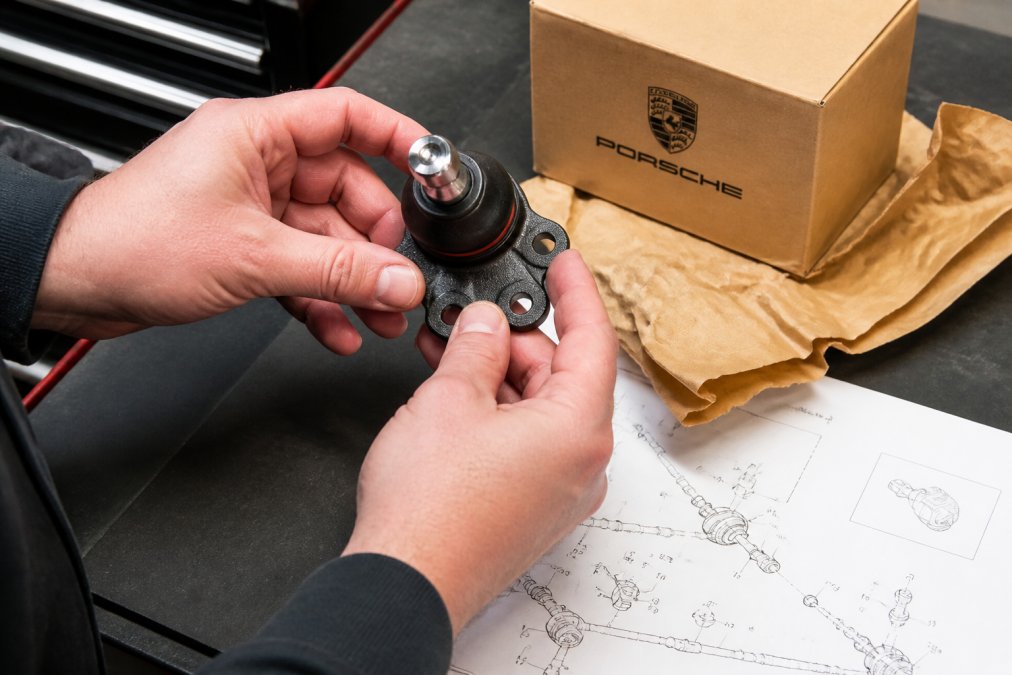
The third step is purchasing from verified suppliers. Authorized Porsche dealers, specialty Porsche parts suppliers with established reputations, and recognized NOS dealers have significant incentive to maintain authenticity. A supplier caught selling counterfeit parts faces legal liability and reputation damage.
Suppliers like EUROPEAN OEM PARTS verify authenticity before listing components. We source from Porsche's official catalogs and established NOS dealers with verifiable inventory histories. Every component is inspected and cross-referenced before reaching a customer.
For high-value components, consider requesting documentation of the part's provenance. Where did it come from? Who owned it before? Legitimate NOS dealers maintain this information because it's part of what makes the part valuable.
Shipping, Warranty, and Long-Term Restoration Budgeting
Getting a part to your door involves logistics requiring attention to detail.
International Delivery and Import Logistics for Rare Parts
Many classic Porsche parts, particularly NOS components, originate outside the United States. A rare casting might come from a German warehouse. A specific assembly might be sourced from a European collector. Understanding import logistics prevents delays and unexpected costs.
Legitimate suppliers handle import documentation, managing customs forms, tariff classifications, and shipping logistics. A reputable supplier will quote a price including all import-related costs. You shouldn't discover hidden duties or taxes after arrival.
Shipping times for international components typically range from 2-4 weeks for standard delivery. Expedited options exist but cost significantly more. Quality suppliers use protective packaging appropriate to the component's fragility. Engine castings, for example, require shock-resistant packaging because they're brittle and expensive to replace if damaged in transit.
Quality Assurance and Return Protection
A return policy protects you if a part doesn't fit or arrives damaged. Reputable suppliers offer returns within 30 days if the part is unused and in original condition.
Warranty on parts varies. Some suppliers offer limited warranties on used components (30-90 days). NOS parts are typically sold as-is. Reproduction parts sometimes carry longer warranties because they're new manufacturing.
The most important protection is dealing with suppliers who stand behind their products. If a part doesn't fit due to supplier error, they should make it right. If a component arrives damaged, they should replace it.
Long-term restoration budgeting requires understanding that sourcing classic Porsche parts is unpredictable. Budget conservatively. Identify every component you'll need, research current pricing, and add 20-30% for unexpected discoveries and components more expensive than expected.
The most cost-effective approach is sourcing parts gradually over time rather than rushing. Prices fluctuate. Availability changes. Patient sourcing yields better deals and more options.
| Part Category | Sourcing Method | Typical Timeline | Authenticity Risk |
|---|---|---|---|
| Common wear items (filters, pads) | OEM or quality reproduction | 1-2 weeks | Low |
| Engine internals | NOS or used from verified sources | 4-8 weeks | Medium |
| Rare assemblies | Specialty dealers or collectors | 8-12 weeks | Medium-High |
| Reproductions (gaskets, seals) | Specialty manufacturers | 2-3 weeks | Low |
Buying Porsche parts for older models rewards patience and knowledge. The difference between a successful restoration and a frustrating one often comes down to sourcing decisions made months before you need the part.
Start by understanding your vehicle's exact specifications and part numbers. Verify authenticity before purchasing. Work with suppliers specializing in classic Porsche components and standing behind their products. At EUROPEAN OEM PARTS, we maintain a focused inventory of genuine Porsche parts for older models, verified for authenticity and backed by our commitment to quality. Whether you're sourcing a single replacement component or planning a full restoration, starting with a supplier understanding the complexities of classic Porsche parts saves time, reduces risk, and ensures your vehicle receives the components it deserves.
Frequently Asked Questions
How do I find the correct part number for my vintage Porsche?
Start with your vehicle's VIN and model year, these unlock your specific fitment requirements. Consult your original owner's manual or factory service documentation, which lists part numbers for every assembly. For classic Porsche models, technical forums and restoration communities often maintain searchable databases. If you're unsure, contact a parts specialist who can cross-reference your chassis number with the genuine Porsche parts catalog to identify the exact component you need.
What is the difference between OEM and aftermarket Porsche parts?
OEM (Original Equipment Manufacturer) parts are produced by Porsche or authorized suppliers to factory specifications and carry Porsche's quality guarantee. Aftermarket parts are made by third-party manufacturers and often cost less but may not meet the same precision standards or longevity. For older Porsche models, genuine OEM parts ensure mechanical integrity, preserve resale value, and maintain the performance characteristics the chassis was engineered for. Aftermarket alternatives sometimes require modification or compromise fitment.
Are genuine Porsche parts still manufactured for classic models?
Porsche continues to manufacture many components for classic models, particularly high-wear items like brake pads, filters, and gaskets. However, some discontinued parts are no longer in production. The genuine Porsche parts catalog 2026 lists current availability, but for NLA (No Longer Available) components, you may need to source refurbished OEM stock, NOS (New Old Stock), or quality reproduction parts from specialized suppliers. Availability depends on your specific model year and component type.
How can I verify the authenticity of Porsche parts before purchasing?
Genuine Porsche parts carry official Porsche branding, precise part numbers, and proper packaging with technical documentation. Verify the part number matches your vehicle's specifications in the factory service manual or technical documentation. Check the supplier's credentials, authorized dealers and established OEM retailers maintain verification systems. Be cautious of listings labeled 'OEM equivalent' or 'OEM-style,' as these are often aftermarket. Request photos of packaging and branding before purchase, and confirm the seller offers a return policy if fitment issues arise.
This article was written using GrandRanker