

OEM vs Aftermarket Brake Pads for Porsche
Table of Contents
- OEM vs Aftermarket Brake Pads: Core Differences
- Performance and Braking Characteristics
- Benefits of Using OEM Car Parts for Porsche
- Signs of Worn Brake Pads on Porsche
- Porsche Brake Pad Replacement Cost Breakdown
- Installation, Bedding-In, and Maintenance
- Which Option Protects Your Porsche Investment
- Conclusion
Last Updated: August 25, 2026
OEM vs Aftermarket Brake Pads: Core Differences
When choosing between OEM and aftermarket brake pads for your Porsche, you're making a decision that affects stopping power, pedal feel, and long-term reliability. OEM brake pads are manufactured by or for Porsche directly, engineered to exact factory specifications. Aftermarket pads are produced by third-party manufacturers and sold through independent channels. This distinction carries real implications for performance, warranty compliance, and how your Porsche actually stops.
What Makes OEM Pads Original Equipment
Porsche designs and specifies brake pads as part of the complete braking system. The friction coefficient, thermal capacity, and wear characteristics are calibrated to work with the vehicle's rotor design, caliper geometry, and brake fluid properties. OEM pads arrive with wear sensors pre-installed, anti-rattle clips engineered for your specific model, and hardware kits that ensure proper installation without modification.
The manufacturing process for OEM pads follows strict tolerances. Porsche validates every batch against performance standards before it reaches dealerships. This consistency means the braking characteristics you experience remain predictable across replacement cycles. OEM pads also carry factory backing, if a component fails prematurely, Porsche stands behind the part, and using OEM components helps preserve your vehicle's overall warranty coverage.
How Aftermarket Pads Enter the Market
Aftermarket manufacturers reverse-engineer brake pad specifications or develop their own formulations to fit Porsche's brake rotor and caliper systems. They often adjust the compound to reduce manufacturing costs or target specific market segments. Some aftermarket pads prioritize lower noise and dust reduction over thermal capacity. Others focus on extended pad life at the expense of initial bite.
Installation compatibility varies. Many aftermarket pads fit without issue, but others require hardware modifications or sensor adapters. A pad that fits mechanically may not integrate properly with your vehicle's brake warning systems or may cause noise that wasn't present with OEM equipment.
Performance and Braking Characteristics
Brake pad performance comes down to friction coefficient, thermal stability, and how the material behaves across temperature ranges. This is where OEM and aftermarket pads often diverge most noticeably.
Friction Coefficient and Stopping Distance
The friction coefficient determines how much grip your pads generate against the rotor. Porsche specifies a friction coefficient range for each model year to ensure predictable stopping distance and pedal modulation. OEM pads are formulated to deliver consistent friction across the pad's lifespan, from fresh installation through 80% wear.
Aftermarket pads vary widely. Some prioritize maximum friction for track driving, which can increase stopping power initially but may reduce pad life significantly. Others target economy, sacrificing initial bite for extended mileage. The problem is pedal feel consistency. With OEM pads, the transition is gradual and predictable throughout the pad's lifecycle.
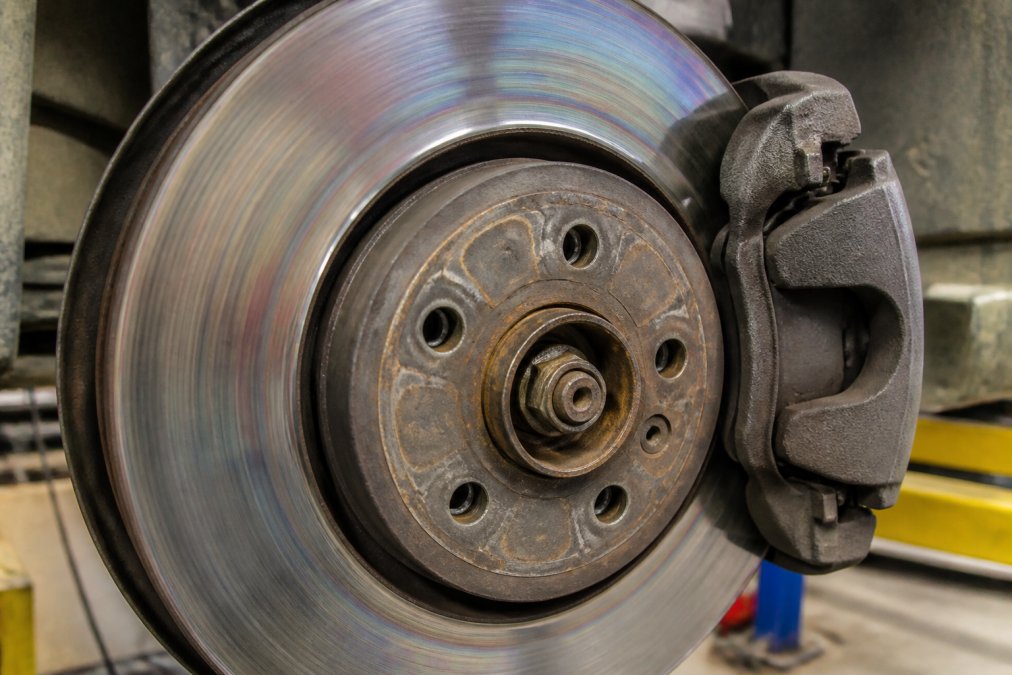
For daily commuting, this difference is subtle. For track days or spirited driving, it becomes critical. A Porsche owner pushing their vehicle on a closed course needs consistent pedal modulation and fade resistance. OEM pads are engineered for this. Many aftermarket pads designed for daily driving lack the thermal capacity to handle repeated hard braking without fade.
Brake Dust, Noise, and Thermal Capacity
Brake dust accumulation is a common complaint among Porsche owners. OEM pads for Porsche typically use semi-metallic or ceramic compounds that generate moderate dust. Aftermarket manufacturers often adjust this balance, some reduce dust significantly through alternative compounds, while others accept heavier dust to improve thermal capacity.
Noise and vibration harshness (NVH) is another trade-off. OEM pads are tuned to the specific stiffness of Porsche's brake hardware and rotor design. Aftermarket pads may introduce noise because the material properties don't perfectly match the caliper's resonance characteristics or the rotor's surface finish.
Thermal capacity, how much heat the pad can absorb without degrading, is where OEM pads excel for performance driving. Porsche's brake system is designed as an integrated thermal management system. The rotor, caliper, pad material, and brake fluid work together to dissipate heat efficiently. Swap in aftermarket pads with different thermal properties, and you can experience brake fade on a track day that wouldn't occur with OEM equipment.
Benefits of Using OEM Car Parts for Porsche
The case for OEM brake pads extends beyond just stopping your Porsche. It's about preserving the vehicle's design intent and protecting your investment.
Warranty Protection and Compliance
Using OEM brake pads keeps your Porsche's warranty intact. Porsche's warranty explicitly covers components manufactured to factory specifications. If you install aftermarket pads and experience a brake system failure, Porsche can deny warranty coverage on the entire braking system, rotor, caliper, fluid, and hardware, even if the failure isn't directly caused by the pad itself.
This protection matters most if you're leasing your vehicle or planning to keep it long-term. A warranty dispute over a $300 brake pad replacement can jeopardize coverage on a $5,000 caliper repair.
Fitment, Sensor Compatibility, and Durability
OEM brake pads arrive with wear sensors already installed and calibrated to your Porsche's brake warning system. The sensor triggers your dashboard warning light when pad thickness reaches the wear limit. Aftermarket pads often require separate sensor purchases or adapter kits. If the sensor isn't installed correctly, you lose the warning system.
Fitment is guaranteed with OEM pads. The pad dimensions, anti-rattle clip geometry, and caliper mounting points are engineered to your specific model year. Porsche's brake calipers vary across model generations. OEM pads eliminate this guesswork.
Durability also favors OEM equipment. The friction material is formulated to wear predictably. Most OEM Porsche pads last 30,000 to 50,000 miles under normal driving. The wear rate is consistent, the material doesn't glaze or harden prematurely, and the rotor remains smooth throughout the pad's lifespan.
Signs of Worn Brake Pads on Porsche
Recognizing when your brake pads need replacement prevents you from reaching the point where metal contacts rotor.
The most reliable indicator is your brake warning light. When pad thickness drops below the sensor threshold, your Porsche displays a warning on the dashboard. This is your first signal to schedule replacement. The sensor is triggered when roughly 20% of pad material remains (peer-reviewed research).
Listen for a high-pitched metallic squeal or chirp when braking, especially during light stops. This sound often indicates that wear sensors are making contact with the rotor. A grinding sound means metal is already contacting rotor. If you hear grinding, stop driving immediately and have brakes inspected. Continuing to drive will damage the rotor, turning a pad replacement into a more expensive repair.
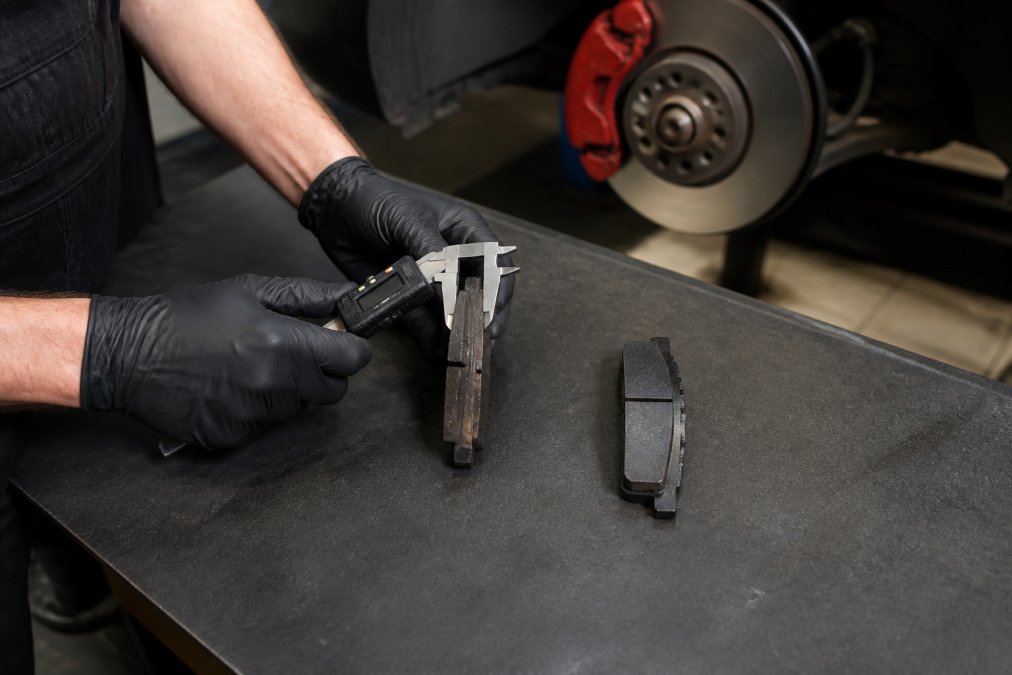
Visual inspection is also effective. Remove your wheels and look at the pads through the caliper. OEM Porsche pads typically have a friction material thickness of about 12mm when new (sae.org). When thickness drops below 3mm, replacement is overdue. If you see uneven wear, have the caliper and rotor inspected for alignment issues.
Brake pedal feel changes can signal worn pads. If your pedal feels softer or requires more pressure to achieve the same stopping force, worn pads may be the cause.
Porsche Brake Pad Replacement Cost Breakdown
Understanding the cost structure helps you make an informed decision between OEM and aftermarket options.
OEM Pricing and Value Over Time
OEM Porsche brake pads carry a higher upfront cost than most aftermarket alternatives. Pricing depends on your specific model year and whether you're replacing front, rear, or both axles. EUROPEAN OEM PARTS offers competitive pricing on genuine Porsche brake pads and can provide a quote tailored to your vehicle.
The value calculation extends beyond initial cost. OEM pads typically last 30,000 to 50,000 miles. Over the vehicle's ownership, you'll replace pads 3 to 5 times. The total cost of ownership, including the cost of any rotor damage caused by premature pad wear or poor fitment, often favors OEM. Rotors damaged by aftermarket pad wear can cost significantly more to replace than the initial savings on cheaper pads.
Warranty implications also affect long-term value. Using OEM pads preserves your warranty coverage. A denied warranty claim on brake system components can cost thousands.
Aftermarket Cost Considerations
Aftermarket brake pads typically cost 30% to 60% less than OEM options. This lower price reflects different manufacturing standards, sourcing practices, and reduced warranty backing.
However, the full cost picture requires accounting for potential issues. If an aftermarket pad causes premature rotor wear or requires sensor adapters, the total replacement cost rises. If poor fitment causes brake noise, you may need additional hardware or professional installation to resolve it. These hidden costs can narrow or eliminate the initial savings.
Aftermarket pad longevity varies significantly. Some budget pads wear faster than OEM, requiring replacement every 20,000 miles instead of 40,000. Premium aftermarket brands may offer comparable longevity to OEM, but at a price point closer to genuine parts.
Installation, Bedding-In, and Maintenance
Proper installation and bedding-in procedures ensure your brake pads perform as designed, whether OEM or aftermarket.
Installation involves removing the wheel, unbolting the caliper, sliding out the old pads, and installing new ones with fresh anti-rattle clips and hardware. OEM pads simplify this process because all necessary components are included and engineered to fit without modification. Aftermarket pads sometimes require additional steps like installing sensors or adapting hardware.
Bedding-in is the process of establishing a transfer layer of friction material on the rotor surface. New pads don't generate maximum friction immediately. Over the first 100 to 200 miles of gentle braking, the pad material transfers to the rotor, creating an optimal friction interface. During bedding-in, avoid hard braking and extended downhill descents. Skipping bedding-in or performing hard braking too soon can result in uneven wear, noise, and reduced braking performance.
OEM pads and rotors are designed to bed-in predictably. Aftermarket pads may have different bedding characteristics and require longer bedding-in periods.
Maintenance between replacements is minimal. Inspect your pads visually every 15,000 miles or annually. Clean your wheels regularly to remove brake dust accumulation. If you notice brake fluid leaks, grinding sounds, or persistent pedal softness, have the system inspected by a qualified technician.
Which Option Protects Your Porsche Investment
Choosing between OEM and aftermarket brake pads depends on your priorities and how you use your Porsche.
Choose OEM pads if you prioritize warranty compliance, predictable performance, and long-term reliability. OEM is the right choice if you're leasing, financing through a dealership, or planning to keep your Porsche for many years. It's also the better option if you drive your vehicle hard, track days, spirited mountain roads, or frequent aggressive acceleration. OEM pads are engineered for Porsche's thermal demands and will perform consistently in these scenarios.
Choose premium aftermarket pads if you're comfortable accepting slightly higher maintenance vigilance in exchange for lower upfront costs. Quality aftermarket brands like Brembo, Hawk, or Pagid offer excellent performance and longevity. The trade-off is that you lose factory warranty backing and must verify fitment and sensor compatibility yourself.
Avoid budget aftermarket pads unless cost is your absolute priority. The savings rarely justify the risks for a precision vehicle like a Porsche.
For Porsche owners seeking genuine parts without dealership markups, EUROPEAN OEM PARTS provides competitive pricing on authentic OEM brake pads and comprehensive fitment support. Our team can identify the exact pads your model requires and ensure all necessary sensors and hardware are included.
The decision between OEM and aftermarket brake pads shapes how your Porsche stops, how long components last, and whether you maintain full warranty coverage. OEM pads deliver predictable performance and long-term value for most owners. Aftermarket options offer cost savings but require careful selection and ongoing attention. Your Porsche's braking system is too critical to compromise on. Invest in components that match your vehicle's engineering standards and your driving demands. EUROPEAN OEM PARTS stocks genuine Porsche brake pads with fast nationwide shipping and expert support to ensure you get the right parts installed correctly the first time.
Frequently Asked Questions
Q: Are OEM brake pads better than aftermarket for high-performance vehicles like Porsche?
A: OEM brake pads are engineered specifically for your Porsche's braking system, caliper design, and rotor compatibility. They deliver consistent pedal modulation, optimal friction coefficient, and thermal capacity matched to factory specifications. Aftermarket pads may offer lower costs but often sacrifice precision fitment and heat dissipation. For track days or performance driving, OEM pads maintain the stopping distance and brake fade resistance Porsche designed into your vehicle.
Q: Do aftermarket brake pads void a Porsche factory warranty?
A: Using non-OEM brake pads does not automatically void your warranty, but it creates a liability gap. If a brake system failure occurs and Porsche can trace it to incompatible aftermarket components, they may deny warranty coverage for that repair. OEM pads eliminate this risk entirely. Additionally, some aftermarket pads lack the sensor compatibility required for modern Porsche brake wear monitoring systems, potentially triggering warning lights and complicating future service claims.
Q: What are the signs of worn brake pads on Porsche?
A: Watch for a metal-on-metal grinding sound when braking, reduced pedal feel or sponginess, increased stopping distance, or a brake warning light on your dashboard. Many Porsches have electronic wear sensors that trigger alerts before pads reach critical wear. Visual inspection reveals pad thickness: if the friction material is thinner than 2 millimeters, replacement is urgent. OEM pads wear at predictable rates due to consistent compound composition, making maintenance planning easier than with variable aftermarket quality.
Q: How much does Porsche brake pad replacement cost?
A: Porsche brake pad replacement cost varies by model and whether you choose OEM or aftermarket options. OEM pads typically cost more upfront but last longer and maintain resale value. Aftermarket alternatives may offer lower initial pricing but can require more frequent replacement. For accurate pricing on genuine Porsche brake pads and installation, visit European OEM Parts or consult your Porsche service documentation. Cost also depends on whether you replace pads on one axle set or all four wheels, and whether hardware kits and anti-rattle clips are included.
This article was written using GrandRanker