

Top 5 Genuine Porsche Parts for Track Use in 2026
Table of Contents
- Why Genuine Porsche Parts Matter for Track Use
- Quick Comparison: Top 5 Genuine Porsche Track Parts
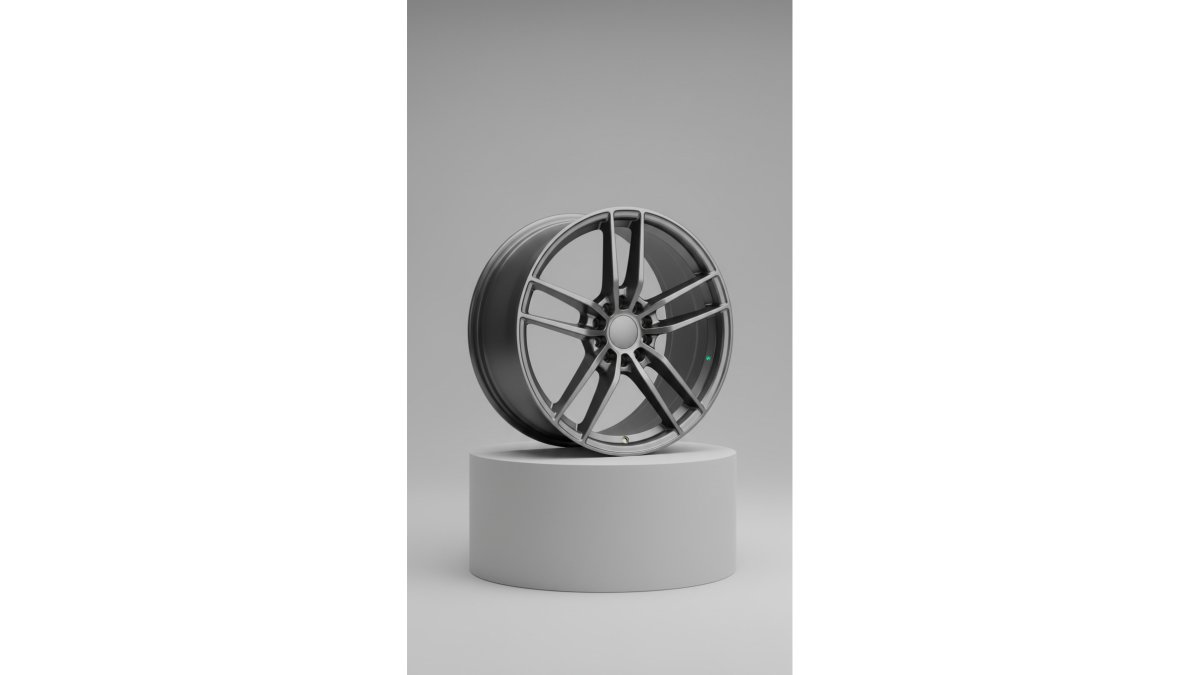
- 1. Porsche Forged Alloy Wheel: Lightweight Strength for the Track
- 2. Porsche 911 Performance Air Intake: Sharper Throttle Response
- 3. OEM Porsche Brake Pads for Track: Fade Resistance and Safety
- 4. Ball Stud - Porsche (0B1-141-777-A): Small Part, Big Safety
- 5. Porsche Track Day Maintenance Checklist: Supporting Parts and Intervals
- How to Verify Genuine Porsche Parts and Avoid Counterfeits
- Frequently Asked Questions
Last Updated: September 22, 2026
Why Genuine Porsche Parts Matter for Track Use
Genuine Porsche parts are manufactured to the factory's own tolerances, materials, and testing standards, and they are the only parts guaranteed to fit and perform as the car was engineered. On a track, that distinction stops being academic: heat cycles, sustained high RPM, and repeated hard braking push every component closer to its limit, and a part that fits "close enough" on the street can fail where it matters most.
Quick Comparison: Top 5 Genuine Porsche Track Parts
| Part | Price | Primary Track Benefit | Install Difficulty |
|---|---|---|---|
| Porsche Forged Alloy Wheel | $1,895.00 | Lower unsprung weight, sharper turn-in | Moderate |
| Porsche 911 Performance Air Intake | $795.00 | Sharper throttle response, cooler intake air | Easy |
| OEM Porsche Brake Pads for Track | Varies by model | Fade resistance under repeated stops | Easy to Moderate |
| Ball Stud - Porsche (0B1-141-777-A) | $1.00 | Secure linkage, safety-critical | Moderate |
| Supporting Maintenance Parts | Varies | Reliability across a full track day | Varies |
The cheapest part on this list is also one of the most safety-critical, price and importance do not move together.

1. Porsche Forged Alloy Wheel: Lightweight Strength for the Track
The Porsche forged alloy wheel is a genuine factory wheel built to exacting OEM standards, and its forged construction delivers strength without the weight penalty of a cast wheel. Lighter unsprung weight at each corner improves suspension reaction, which shows up as sharper turn-in and more consistent grip.
2. Porsche 911 Performance Air Intake: Sharper Throttle Response
The Porsche 911 performance air intake is a genuine system engineered exclusively for the 911, increasing airflow while keeping intake temperatures cool and consistent. It integrates with OEM mounting points, so installation is a direct fit.

3. OEM Porsche Brake Pads for Track: Fade Resistance and Safety
OEM Porsche brake pads for track use are the factory friction compound engineered to resist fade under repeated high-speed stops. Fade happens when the pad and fluid exceed their operating temperature and stopping power drops off, the most common reason a track day ends early, and almost always a heat-management problem, not a pad-wear problem.
Pad compound and rotor pairing
Factory track-oriented compounds trade cold-bite for high-temperature stability, so the first stop of a session feels weaker than the last. Pairing matters too: a pad too aggressive for the rotor will chew through it, and a rotor too thin or heat-cracked cannot absorb the load. Inspect rotors for surface cracking and measure thickness against the minimum stamped on the rotor hat before installing fresh pads.
Bedding: the step almost everyone skips
New pads need bedding before they perform. Bedding transfers a thin, even layer of pad material onto the rotor face, and that layer gives you consistent friction. The common pattern is moderate stops from increasing speed, followed by a cool-down where you avoid stopping fully with hot pads against the rotor. Skip it and uneven deposits show up as vibration under braking, exactly when you want a stable pedal.
Fluid is half the system
Pads and fluid age together, and fluid degradation lowers the boiling point. Fresh pads on old fluid can still fade, because the pedal goes soft when the fluid boils, not when the pad wears out. DOT 4 is the common track baseline, and it absorbs moisture over time even in a sealed system, that moisture turns a firm pedal spongy once the calipers get hot.
What to check before every event
- Pad thickness against the wear indicator, on both the inner and outer pad
- Rotor thickness versus the minimum spec, plus any surface cracking
- Fluid color and moisture, dark or cloudy fluid is due for replacement
- Caliper and line condition for leaks or heat damage
- Pedal feel on a slow warm-up lap before you push
Install difficulty for pads is easy to moderate depending on caliper design, but bleeding the system correctly is where most DIY jobs go wrong. If you are not confident, this is the one job worth handing to a professional.
4. Ball Stud - Porsche (0B1-141-777-A): Small Part, Big Safety
The Ball Stud - Porsche (0B1-141-777-A) is a genuine Porsche linkage component that replaces part numbers 12141777b and 12141777d. At $1.00, it is the clearest example of why price tells you nothing about importance.

5. Porsche Track Day Maintenance Checklist: Supporting Parts and Intervals
A Porsche track day maintenance checklist is a pre-event routine covering the parts and fluids that keep a car reliable across a full day of lapping. Track use compresses maintenance intervals because heat, load, and wear accumulate far faster than on the street, and that interval gap, which most buying guides skip, is where track-day reliability is won or lost.
Why track intervals compress
A street mile and a track mile are not the same mile. On a track, the engine spends far more time at high RPM, the brakes cycle from cold to very hot repeatedly, and the tires and suspension carry loads they never see in traffic, every cycle ages a component faster. Track drivers treat the factory street schedule as a floor, not a target, and inspect safety-critical systems before every event rather than on a calendar.
Interval table by system
| System | What to Check | Track Interval |
|---|---|---|
| Brakes | Pad thickness, rotor condition, fluid moisture | Before every event |
| Brake fluid | Moisture content, color, pedal feel | Before every event; full flush at least annually |
| Engine oil | Level, condition, filter | Before every event; change on a shortened interval |
| Tires | Tread, pressures, sidewall and shoulder damage | Every session |
| Hardware | Ball studs, fasteners, torque values | Before every event |
| Intake | Filter condition, mounting points | Every few events |
| Suspension | Bushings, mounts, alignment | Every few events |
The interval detail by model generation
The right interval also depends on the car. Older, higher-mileage generations need closer inspection of bushings, mounts, and linkage hardware, which have already absorbed years of street use. Newer generations with more thermal headroom still wear consumables faster under track load, but baseline components may hold up longer. Confirm the part number against your specific generation before ordering, fitment changes between generations even when a part looks similar.
Fluids are consumables, not yearly items
On the street, brake fluid and oil are often annual items. On a track, treat fluid as a consumable. Brake fluid absorbs moisture over time, and moisture lowers the boiling point, turning a firm pedal soft once the calipers get hot. Engine oil sees higher sustained temperatures and shear loads, so its interval shortens too. Check both before every event and replace on a shortened schedule rather than waiting for a symptom.
Pre-event checklist
- Check brake pad thickness and rotor wear against minimum spec
- Test brake fluid and bleed if needed
- Inspect tires for damage and set cold pressures
- Verify torque on suspension and linkage hardware
- Check intake filter and mounting points
- Confirm no leaks under the car
- Check oil level and condition
How to Verify Genuine Porsche Parts and Avoid Counterfeits
Verifying genuine Porsche parts comes down to part numbers, packaging, and sourcing from an authorized dealer rather than an unknown marketplace seller. Counterfeits exist because the brand name carries value, and a fake brake pad or fastener is a safety risk, not just a bad deal.
Frequently Asked Questions
Why should I choose genuine Porsche parts over aftermarket for track use?
Genuine Porsche parts are engineered to the same tolerances and materials as the components that came on your car, so they fit correctly and handle repeated high-heat, high-load track sessions. Aftermarket parts vary widely in quality and may not meet the same durability or safety standards. For safety-critical items like brake pads and ball studs, using genuine parts reduces the risk of failure and helps maintain your car's value.
What are the most common Porsche parts that wear out on the track?
Brake pads and rotors wear fastest because of repeated heavy braking. Suspension components like ball studs and bushings also take a beating from curbs and high cornering loads. Air filters and fluids degrade quicker under track conditions. A Porsche track day maintenance checklist should include inspecting these items before and after every event to catch wear early.
Are OEM Porsche brake pads for track better for high-performance driving?
OEM Porsche brake pads for track are designed to handle the heat and friction of repeated laps without fading. They match the friction coefficient your car's braking system was engineered for, so pedal feel and stopping distances stay consistent. Aftermarket pads may offer higher initial bite but can wear rotors faster or squeal on the street. For a dual-purpose car, genuine pads are the safer choice.
How do I verify if a Porsche part is genuine?
Check the part number stamped or printed on the component and compare it to Porsche's official catalog. Genuine parts come in Porsche-branded packaging with a hologram or security label. Buy from an authorized dealer or a trusted source that specializes in genuine OEM parts. If the price seems too low or the listing says 'OEM equivalent,' it is likely aftermarket.
Can using genuine Porsche parts maintain my vehicle's resale value?
Yes. A documented history of genuine Porsche parts and scheduled maintenance signals to buyers that the car was cared for properly. Track-focused buyers especially look for receipts showing OEM brake pads, wheels, and suspension components. Using aftermarket parts can raise questions about fitment and longevity, which may lower offers or slow a sale.